

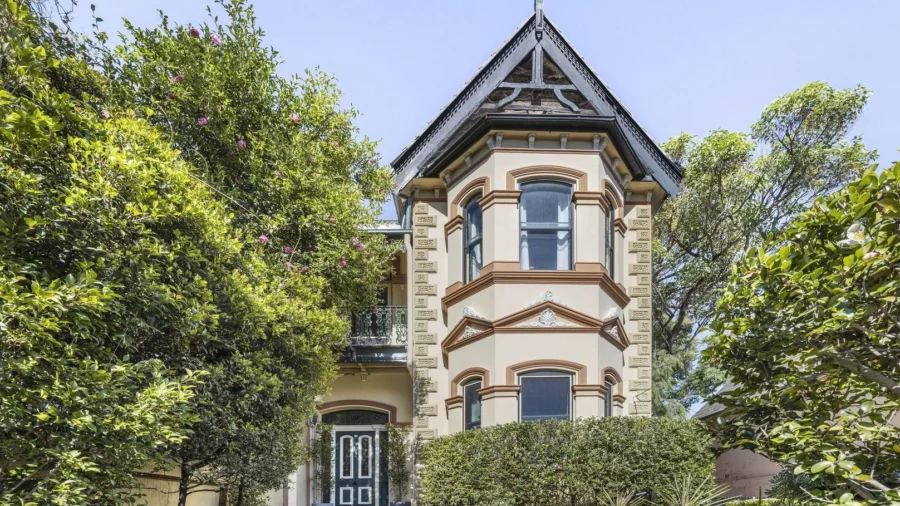
Heritage homes offer more than a beautiful facade – they embody history, character, and significant cultural value. In Stanmore and beyond, buyers agents well-versed in heritage properties know that these homes demand a specialised approach. The blend of preserving the past while ensuring modern functionality can bring challenges and opportunities alike. Let’s delve into the intricacies of heritage homes, exploring their economic impact, urban development benefits, and the way these cherished properties fit into contemporary living.
Heritage properties are far more than just attractive land parcels. They are an investment in a community’s cultural fabric, combining aesthetics with economic advantages. A Stanmore buyers agent who specialises in these homes does more than evaluate a traditional property; they dig deep into a building’s history, the stories it tells, and the policies that support its future. From job creation and urban regeneration to ensuring that these pieces of our past remain safe yet thriving, understanding heritage homes is a necessity for any savvy property investor.
Economic and Employment Impacts in Heritage Preservation
Historic Preservation as an Economic Driver
Historic preservation plays a central role in boosting local economies across the UK and Australia. In Philadelphia, for instance, between 2010 and 2024, projects supported by historic preservation tax credits generated thousands of direct and indirect jobs. This fact isn’t isolated; preservation work fosters real-world economic growth in urban areas by creating stable employment opportunities.
These numbers reaffirm the value of investing in heritage properties. Every refurbishment and restoration project carried out on a heritage home often translates into a ripple effect. Small businesses grow, tradespeople are more engaged, and additional services and industries benefit from the resulting economic uplift, making heritage homes much more than just monuments of bygone eras.
Buyers agents recognise that purchasing and preserving a heritage home contributes to a broader economic narrative. The employment numbers cited in various studies shed light on the successful symbiosis between conservation and community growth. Savvy buyers understand that these properties are not static relics but active participants in a dynamic economy.
The Role of Tax Credits and Government Incentives
Government incentives play a key role in promoting heritage preservation projects. Tax credits for historic preservation encourage investments in older buildings, providing financial relief while safeguarding history. Buyers agents are often well-versed in utilizing these schemes to enhance property value.
Tax credits make older homes more attractive to potential buyers, enabling renovations that preserve the home’s character and heritage status. In markets like Stanmore, the simultaneous preservation of aesthetic and functional elements often leads to increased property values and unique living environments.
These incentives are essential tools for modern property market strategies. Honouring the past while implementing essential structural upgrades leads to improved housing affordability and stability – a win for both the economy and homeowners. A strong understanding of government policies and tax credits is a must for any buyer’s agent specialising in heritage homes.
Heritage-Led Urban Development and Regeneration
Balancing Historic Charm with Modern Needs
Heritage-led regeneration represents the delicate balance between preserving history and accommodating contemporary urban development. Buyers agents agree that historic preservation does not freeze the past; rather, it offers a platform to reinvigorate communities. Historic districts are surprisingly adaptive, merging the old with the new.
Donovan Rypkema, principal and CEO at PlaceEconomics, has articulated that historic preservation allows neighbourhoods to grow. His insights highlight that integrating heritage conservation with urban development provides a stimulating mix of old-world charm and modern architectural solutions.
In Stanmore, modern developments can complement heritage homes, ensuring that uniqueness is maintained while contemporary demands are met. Local councils and community groups actively support initiatives that rejuvenate historic precincts, thus creating vibrant neighbourhoods. Heritage regeneration is about celebrating history while redefining urban success.
Community Benefits and Social Fabric
Beyond their economic benefits, heritage properties serve as vital community touchstones. They are repositories of collective memory, often hosting historical events, stories, and the lived experiences of past generations. Buyers agents appreciate that these buildings offer glimpses into community evolution.
The human connection to heritage spaces often translates into positive mental health impacts. Engaging with historical environments is known to soothe stress and encourage community cohesion. In this light, heritage homes contribute not only to economic stability but also to social well-being.
Engaging with a heritage home means embracing shared community narratives. A buyer’s decision often reflects a commitment to the community, ensuring that a building’s story continues to inspire and engage future residents. This social aspect enriches everyday living, turning property purchase into an investment in communal heritage.
Modern Techniques in Heritage Conservation and Impact Monitoring
New Methods in Heritage Impact Monitoring
The Stanmore School of Business now offers a Career Advancement Programme in Heritage Impact Monitoring, marking a significant stride in heritage conservation education. This specialised programme equips professionals with skills to gauge how different heritage projects measure up against social, economic, and cultural benchmarks.
For a Stanmore buyers agent, understanding how projects are monitored for impact is crucial. These modern educational initiatives mean that more precise evaluation methods are applied, ensuring that a heritage home’s restoration effort is both economically viable and true to its original spirit.
The tools and methodologies developed in this arena open up a nuanced understanding of how heritage sites contribute to urban development. Buyers are encouraged to rely on data-driven insights to evaluate potential investments, ensuring projects keep pace with both historic values and contemporary efficiency standards.
Using Data to Enhance Property Value
Data-rich approaches offer clearer insights into the evolution of heritage properties, making them more predictable investments. Historical data and modern metrics combine to create a robust framework for evaluating heritage home purchases. Buyers agents rely on comprehensive reports, like Historic England’s “Heritage Counts”, to inform investment decisions.
Reports like “Heritage Counts” underline the economic and cultural contributions that historical assets make to communities. They highlight trends and provide comprehensive metrics, from job creation figures to public engagement rates. Such data empowers buyers to make informed decisions that honour the past while investing in the future.
Market trends play a critical role in ensuring a heritage home stands the test of time. Detailed impact studies connect heritage conservation with economic growth, making the case for keen, data-driven investment choices. In this way, leveraging modern conservation techniques not only preserves history but also propels a promising future.
The Unique Appeal of Heritage Homes: More Than Just Architecture
Cultural and Historical Significance
Heritage homes capture the essence of a bygone era perfectly, offering a direct connection to historical events and cultural narratives. Each building carries its own story, often passed down through generations. Buyers agents learn that owning a heritage home is like holding a piece of history, replete with architectural details and historical significance.
The artistry embedded in these structures is unmatched. From intricate facades to unique decorative elements, each home stands out. The distinct architectural styles, whether Victorian, Edwardian, or Georgian, allow residents to live in a piece of art, where every brick and beam has a story to tell.
Buying into history is also buying into a community. Heritage homes typically reside in established neighbourhoods with strong social bonds. The local history, coupled with the presence of long-standing community traditions, enriches the experience of living in such unique properties. Buyers can feel a sense of pride and responsibility as custodians of history.
The Role of Heritage in Enhancing Housing Affordability
Contrary to the outdated notion that older homes are unaffordable relics, numerous studies have shown that preserving historic homes plays a significant part in maintaining housing affordability. Preservation efforts can stabilise or even lower housing costs in urban areas.
Insights from the Preservation Alliance for Greater Philadelphia reveal that maintaining older buildings often sustains residential affordability. In cities with a wealth of pre-1950 housing stock, heritage preservation is a strategic tool in the fight against rising living costs.
Affordability is not just about initial purchase prices, but the long-term sustainability of a community. Heritage homes, when properly restored and maintained, can lower property turnover and foster neighbourhood stability. A wise buyers agent evaluates not only the aesthetic and historical appeal, but also the economic potential that preservation of older homes yields for local communities.
Enhancing Mental Health and Community Wellbeing Through Heritage
The Therapeutic Power of History
Heritage homes often carry an inherent tranquility, a subtle nod to a slower, more thoughtful pace of life. Historic England’s research on “Improving Mental Health Through Heritage” illustrates this point, revealing that engagement with heritage sites can positively influence mental health. Buyers agents often share this insight with clients who value well-being alongside investment potential.
There is undeniable therapeutic value in living with a sense of continuity. Residents in heritage homes frequently report a sense of calm and rootedness, partially due to the storied walls and enduring architecture. This connection to the past can foster a deeper appreciation for personal histories and life stories.
The environment created by heritage properties is conducive to community interaction and mental relaxation. Buyers agents note that these homes promote a quality of life that transcends the mere physical. They become a source of collective memory and a haven where individuals can reconnect with cultural heritage, thereby nurturing a healthier mental state.
Establishing a Strong Connection with the Community
Heritage homes naturally contribute to robust community engagement, forging tangible links between past and present. They encourage residents to participate in local history, preservation events, and neighbourhood initiatives. Buyers agents understand that these connections not only enhance property values but also build a supportive network among residents.

Community-based projects centred around heritage preservation reinforce social bonds. Neighbours work together during restoration projects, local councils celebrate anniversaries, and residents frequently share stories about their surroundings. These communal activities promote a vibrant and cohesive community structure.
The art of preserving heritage goes hand in hand with fostering community spirit. Homeowners in historic neighbourhoods often volunteer for local historical societies, engage in public events, and form networks that range from social clubs to professional groups interested in conservation best practices. The result is a multifaceted value that blends emotional, social, and financial benefits.
Practical Considerations for Buyers and Investors
Due Diligence and Regulatory Compliance
The purchase of a heritage home requires extensive due diligence. Buyers agents familiar with these types of properties stress the need for in-depth inspections, historical research, and regulatory review before committing to a purchase. Often, local councils and heritage organisations impose specific conditions that must be met.
Each heritage property has its own set of stipulations, which may involve restrictions on modifications, mandated conservation practices, or heritage listing controls. Ensuring that a thorough report is compiled and all restrictions are clarified is key to a smooth transaction. Professional expertise and specialised legal advice often become invaluable during these processes.
Buyers should anticipate a series of regulations designed to protect the character and significance of heritage properties. By planning ahead, one can secure appropriate approvals which will prevent future disputes. This intricate balance between modern usage and historical integrity necessitates a careful, research-driven approach for those investing in heritage homes.
Financial Planning and Investment Potential
Heritage properties come with a unique financial footprint. While they can command premium values due to historical allure and architectural significance, maintenance and compliance costs can be higher relative to more modern builds. Buyers agents are adept at weighing these factors to ensure that the investment remains viable over time.
Investing in heritage properties involves recognising the potential for capital growth, especially when government incentives and conservation grants are factored in. Detailed cost-benefit analysis, often supported by data from comprehensive reports, helps buyers strategise effectively. The long-term returns are frequently bolstered by community engagement and stable market demand.
Budgeting for renovations can sometimes be a surprise expense. Many heritage homeowners find that the initial cost to secure and renovate a property can be offset by the long-term appreciation of the asset, provided that modern upgrades are sensitively integrated with original features. It pays to seek professional advice, ensuring that the financial plan reflects both initial acquisition and projected maintenance costs.
Integrating Modern Amenities with Heritage Charm
Balancing Old-World Aesthetics with Contemporary Needs
Adapting heritage homes to modern lifestyles is a rewarding challenge. Buyers agents often find that the key to success lies in sensitive refurbishment that respects the historical integrity while introducing modern conveniences. The goal is to create a space that is functional for today’s living, yet retains the story of yesterday.
Smart home technology and energy-efficient systems are increasingly integrated into these vintage structures, ensuring that they remain competitive in today’s dynamic market. A delicate balance can be achieved by focussing on areas like insulation, heating, and cooling without disrupting the architectural fabric of the building.
Many Stanmore homes have been successfully transformed into modern yet characterful residences. The challenge lies in updating plumbing, wiring, and internal layouts while maintaining the external historical charm. A well-planned approach can result in a seamless blend of comfort and heritage appeal that satisfies both modern residents and preservation guidelines.
Renovation Best Practices for Heritage Homes
Restoration can be as much an art form as it is an engineering challenge. The first priority is to use materials and techniques that mirror the original construction. Buyers agents working with heritage properties advise that every detail, from window styles to brickwork, deserves careful attention to detail.
Consultation with conservation experts is essential. Specialists can provide insights into approved methods and quality standards necessary to preserve the building’s authenticity. This ensures that renovations not only enhance the property’s comfort and efficiency but also safeguard its aesthetic and cultural value.
It is also important to plan the project in phases. Detailed inspections, followed by targeted interventions, create a structured timeline that minimises risks. Each step in the renovation process is documented and closely monitored, ensuring a transparent and accountable transformation. This measured approach reassures potential buyers that heritage standards are being rigorously maintained.
The Long-Term Legacy and Community Impact of Heritage Homes
Building a Future Rooted in the Past
Heritage homes act as tangible links between past and present. Their longevity is a testament to the quality of their construction and the cultural dedication of those who maintain and restore them. Buyers agents see these properties as long-term investments that not only grow in monetary value but also enrich community life over decades.
The continual evolution of heritage assets mirrors the evolution of the communities around them. As neighbourhoods modernise, heritage properties stand as anchors of continuity, offering unique stories for residents and visitors alike. They are dynamic entities capable of adapting to modern living while retaining a profound dialogue with history.
In a world that often values the new over the old, heritage homes remind us that progress and preservation can coexist. Their ability to evolve without losing character makes them appealing investments for anyone who values sustainability, community, and long-lasting cultural relevance.
The Role of Heritage in Shaping Local Identity
Local identity often revolves around shared history and unique cultural narratives. Heritage properties serve as permanent reminders of formative events, practices, and architectural styles that define a community. Buyers agents note that homes with heritage status frequently become landmarks, imbuing their neighbourhoods with a sense of pride and place.
Preservation efforts enhance local identity by reinforcing community-specific values. Heritage sites often inspire local art, foster tourism, and serve as venues for community events. These collective benefits ripple across into economic and social spheres, making heritage properties vital to the long-term health and identity of a community.
In Stanmore and similar areas, historical buildings contribute significantly to defining the local aesthetic and cultural vibe. The efforts to maintain and restore these properties not only add value for the buyer but also contribute to uplift the entire community, ensuring these rich traditions endure for future generations.
Advice from a Stanmore Buyers Agent
Key Factors to Consider When Purchasing a Heritage Home
When contemplating a heritage home, start with an in-depth inspection. Understand the intricacies of the property, from its construction techniques to any restrictions in place stemming from its listed status. Engaging specialists who are experienced in heritage conservation can save time and potential pitfalls.
Be proactive about future planning. Preservation guidelines and the associated maintenance costs must be factored into the purchase decision. Buyers should aim to create a restoration budget that covers both immediate needs and long-term upkeep. The key is to balance emotional attachment with practical financial planning.
Another vital element is to research all available government incentives. Tax credits and grants meant for historic preservation are designed to ease the financial burden of maintaining these unique properties. A thorough understanding of these schemes can transform potential challenges into well-supported investment opportunities.
Embracing a Proactive and Practical Mindset
The best investments in heritage properties come from buyers who approach every project with a mixture of passion and pragmatism. A Stanmore buyers agent advises taking a proactive stance. If you are genuinely interested in a property, prepare to invest time in understanding the historical context, any suggested restoration measures, and long-term benefits.
Such diligence not only helps in making a sound investment but also opens up avenues to be part of a storied narrative. Engaging with local conservation groups, attending open days at historical sites, and participating in community forums can provide invaluable insights into the local heritage scene.
Ultimately, a balanced approach – combining a keen eye for historical details with modern financial sensibility – will serve well in navigating the complex but rewarding world of heritage home investment. It’s about marrying the best of the past with the demands of today.
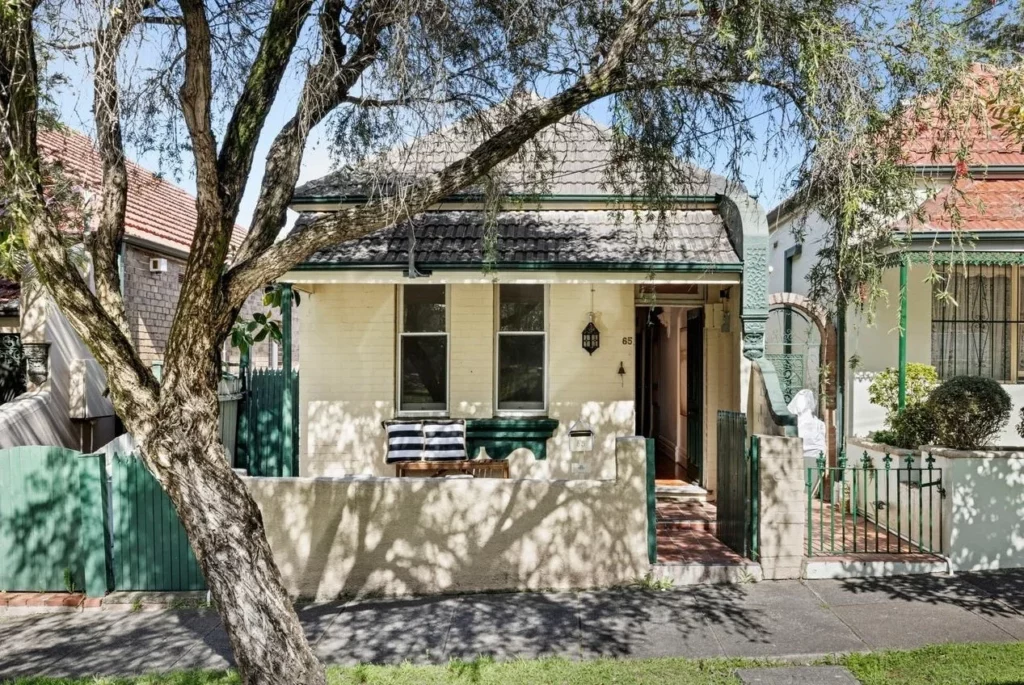
Conclusion: The Enduring Appeal of Heritage Homes
The Intersection of History and Modern Living
Heritage homes represent the harmonious convergence of age-old craftsmanship and modern innovation. They stand as monuments to cultural legacy while simultaneously offering the amenities needed for today’s family. For buyers agents in Stanmore, these properties provide a canvas on which to meld tradition with progressive living.
Every brick and timber tells a story of its own, and every restoration breathes new life into time-honoured craftsmanship. The added benefits of economic incentives, community upliftment, and mental health benefits make heritage homes a down-to-earth yet magnificent investment opportunity.
This exploration reveals that a heritage home is not just a piece of property – it is an enduring symbol of a community’s resilience, character, and vision for the future. With carefully managed change and a deep respect for history, these properties will continue to shine as beacons of local pride.
Sustaining a Legacy for Future Generations
See Also: Using a Property Buyers Agent Stanmore to Avoid Overpaying