

What Is Timber LVL Formwork and Why Is It Used?
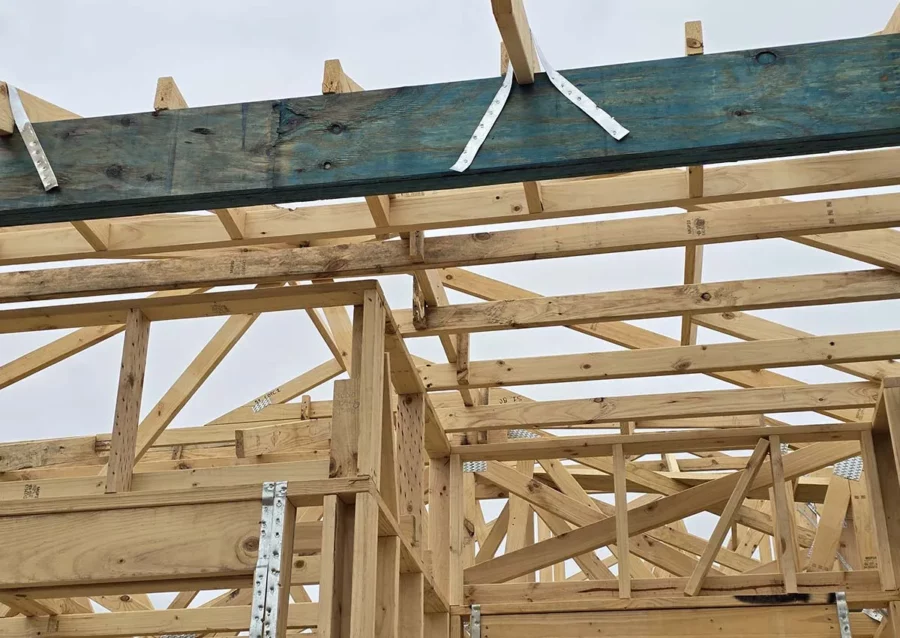
Timber LVL formwork is an engineered wood product manufactured by bonding multiple thin wood veneers with adhesive under controlled heat and pressure. This lamination process creates a structural material that surpasses the performance characteristics of traditional solid timber.
The manufacturing technique aligns wood grain in parallel layers, eliminating natural weaknesses found in conventional lumber. Most LVL formwork originates from sustainable radiata pine plantations, where veneers are peeled from logs, dried to optimal moisture content, then bonded using high-strength adhesives.
Strength-to-weight advantages set LVL apart from alternative materials:
- Approximately double the strength-to-weight ratio of steel formwork systems
- Significantly lighter than steel whilst maintaining comparable load-bearing capacity
- Superior dimensional stability compared to solid timber
- Consistent structural properties throughout the entire length
These characteristics translate to easier handling on construction sites, reduced labour requirements, and lower transportation costs. Workers can manoeuvre LVL beams without heavy lifting equipment, accelerating installation timelines.
Common applications across construction projects include:
- Vertical wall formwork for residential and commercial buildings
- Horizontal slab and deck support systems
- Bridge framework and temporary support structures
- High-rise building frameworks requiring reliable load distribution
- Curved architectural elements demanding flexibility
Durability represents a key advantage when decoding timber LVL formwork prices. The engineered structure resists warping, twisting, and splitting—common failures in solid timber. LVL formwork withstands 50-100 concrete pour cycles, delivering a service life of 5-7 years compared to 2-3 years for traditional timber alternatives.
This extended lifespan reduces replacement frequency, lowering long-term project costs despite potentially higher initial investment. The material maintains dimensional accuracy across multiple uses, ensuring consistent concrete finishes without degradation that compromises structural integrity.
How Do Size Dimensions Influence Timber LVL Formwork Prices?
Larger dimensions consume more raw material and require additional processing time, directly increasing the final price per beam. A 6-metre LVL beam with 300mm depth costs substantially more than a 4-metre beam at 200mm depth because manufacturers must use more veneer layers and adhesive whilst maintaining structural integrity throughout the extended length.
Length Variations
Length variations create the most noticeable price differences. Standard 6-metre beams typically range from £185-£250 in Australian markets, whilst 4-metre beams of identical width and thickness might cost £120-£165. The price-per-metre ratio doesn’t scale linearly—longer beams often carry premium pricing because they demand higher-grade veneers without defects that could compromise structural performance across extended spans.
Thickness Options
Thickness determines load-bearing capacity and material volume. Common thickness options include:
- 35mm beams: Entry-level formwork for light residential applications (£140-£180 per 6m)
- 45mm beams: Mid-range commercial projects (£185-£230 per 6m)
- 63mm beams: Heavy-duty industrial or high-rise construction (£250-£320 per 6m)
Each 10mm increase in thickness adds approximately 15-20% to the base cost because manufacturers must laminate additional veneer layers whilst ensuring consistent adhesive distribution and compression throughout the thicker profile.
Width Measurements
Width measurements affect handling efficiency and coverage area. Standard widths of 150mm, 200mm, and 240mm serve different formwork configurations. A 240mm-wide beam covers more surface area per installation but requires 60% more material than a 150mm beam of identical length and thickness, translating to proportional cost increases.
Custom Dimensions
Custom dimensions outside standard manufacturing sizes attract surcharges of 25-40% above comparable standard beams. Suppliers must adjust production runs, recalibrate pressing equipment, and manage specialised inventory for non-standard specifications. A custom 5.5-metre beam with 55mm thickness might cost nearly as much as a standard 6-metre beam despite using less material, purely due to manufacturing adjustments.
Shipping Logistics
Beam dimensions also influence shipping logistics. Longer beams require specialised transport.
Why Does Geographic Location Affect Your Quote?
Geographic pricing differences create substantial variations in timber LVL formwork costs across Australia. Metropolitan buyers in Sydney, Melbourne, or Brisbane typically pay 10-15% less than their regional counterparts for identical products.
1. The Impact of Transport Costs on LVL Prices
The transport cost impact on LVL prices stems from distance to manufacturing facilities and distribution centres. Most LVL production occurs near major urban hubs where radiata pine plantations and processing plants concentrate. Regional construction sites located 200-300 kilometres from these centres face additional freight charges that suppliers pass directly to customers.
2. The Role of Supplier Density in Pricing Structures
Supplier density plays an equally critical role in pricing structures. Metropolitan markets host multiple competing suppliers within close proximity, driving competitive pricing strategies. A builder in Sydney’s western suburbs might access five or six LVL suppliers within a 50-kilometre radius, each vying for market share through aggressive pricing.
Regional areas present a different landscape entirely. A construction project in rural New South Wales or Queensland might have access to only one or two suppliers, reducing competitive pressure on pricing. These suppliers factor in longer delivery routes, smaller order volumes, and higher per-unit logistics costs when calculating quotes.
3. Practical Examples of Pricing Differences
Consider a practical example: a 300mm x 45mm x 6000mm LVL beam might cost $215 delivered to a Melbourne construction site, whilst the same beam delivered to Bendigo (150 kilometres away) could reach $245-250. The $30-35 difference reflects fuel costs, driver time, and the inefficiency of delivering smaller quantities to dispersed locations.
4. The Influence of Coastal Accessibility on Pricing Patterns
Coastal accessibility influences pricing patterns as well. Towns with direct highway access to major cities receive more favourable rates than inland locations requiring navigation through secondary road networks. Remote sites in Western Australia’s mining regions or Queensland’s far north experience the most significant price premiums, sometimes reaching 20-25% above metropolitan rates.
5. The Effect of Fuel Price Fluctuations on Geographic Pricing Differences
Fuel price fluctuations compound these geographic pricing differences. When diesel costs spike, regional buyers absorb proportionally higher increases since transport represents a larger component of their final quote. Metropolitan customers experience minimal impact from the same fuel price movements.
What Role Does Material Quality Play in Pricing?
Material quality determines both the structural performance and longevity of your LVL formwork investment. The timber veneer quality forms the foundation of pricing—premium radiata pine veneers with consistent grain patterns and minimal defects command higher prices than lower-grade alternatives. Manufacturers source veneers from different sections of the tree, with core wood typically offering superior density and strength compared to outer sapwood layers.
The adhesive grade’s impact on cost proves equally significant in determining final quotes. Phenol-formaldehyde resins represent the industry standard for exterior-grade LVL formwork, offering exceptional moisture resistance and bonding strength under repeated concrete pours. These high-performance adhesives cost 15-20% more than interior-grade alternatives but prevent delamination during wet conditions. Some suppliers offer melamine-urea-formaldehyde adhesives as a mid-range option, balancing cost with adequate weather resistance for covered construction sites.
Understanding LVL Grade Options A/B
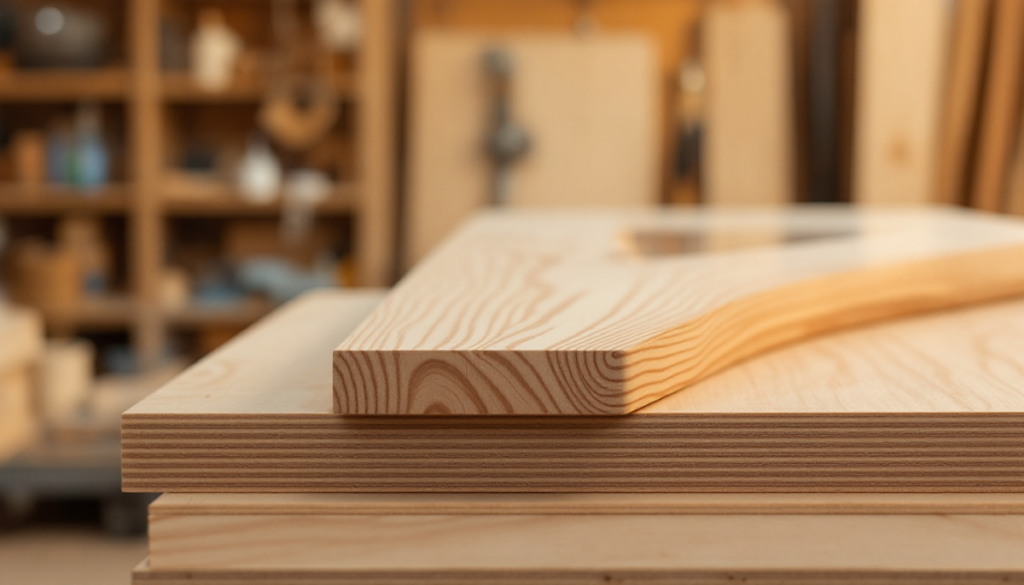
The grading system directly influences your formwork budget:
Grade A Characteristics:
- Minimal visual imperfections
- Tight grain patterns with uniform colour
- No knots larger than 10mm diameter
- Premium pricing at £240-£250 per 6-metre beam
- Ideal for exposed architectural applications
Grade B Characteristics:
- Acceptable surface imperfections including small knots
- Slight colour variations across veneer layers
- Knots up to 25mm diameter permitted
- Cost-effective pricing at £185-£210 per 6-metre beam
- Suitable for standard formwork applications
Imperfections like knots or splits raise costs through increased material waste during manufacturing. Producers must cut around defects or downgrade entire sheets, reducing yield efficiency. A single large knot cluster can disqualify a veneer sheet from Grade A classification, forcing manufacturers to either accept lower margins or pass costs to buyers. Edge splits require additional trimming and quality control measures, adding 8-12% to production expenses.
Moisture content at manufacture affects both quality and pricing. Veneers dried to 8-10% moisture content ensure optimal adhesive bonding and dimensional stability, yet this precision drying process extends production time and energy consumption.
How Does Load-Bearing Capacity Affect the Cost of LVL Formwork?
Higher load ratings directly translate to premium pricing. A beam rated for 60kN/m² costs approximately 25-35% more than one rated for 40kN/m², reflecting the enhanced structural capacity’s impact on cost through additional manufacturing requirements and material specifications.
The load rating pricing effect stems from the engineering demands placed on high-capacity beams. Manufacturers must use:
- Denser veneer configurations with tighter grain patterns
- Premium-grade adhesives that maintain bond integrity under extreme stress
- Additional lamination layers to achieve the required strength thresholds
- More rigorous quality testing protocols including stress testing and deflection analysis
Projects involving heavy concrete pours, multi-storey structures, or long-span applications require beams with superior load-bearing capabilities. A residential slab formwork might function adequately with 40kN/m² rated LVL, whilst commercial high-rise developments demand 60kN/m² or higher ratings to safely support the substantial weight of wet concrete and construction equipment.
The price differential reflects performance assurance. Beams engineered for 60kN/m² undergo more intensive manufacturing processes, including extended pressing times under higher temperatures and pressures. This ensures the veneer layers bond more completely, creating a homogeneous structure capable of distributing loads evenly without deformation or failure.
Structural engineers specify load ratings based on calculated dead loads (permanent weight) and live loads (temporary forces). Underspecifying capacity to reduce costs creates serious safety risks and potential structural failures. A beam rated for 40kN/m² subjected to 55kN/m² loads may experience:
- Excessive deflection beyond acceptable tolerances
- Premature delamination between veneer layers
- Permanent deformation affecting reusability
- Complete structural failure in extreme cases
Certification and compliance add to higher-rated beam costs. Manufacturers must provide independent testing documentation and engineering certificates verifying load capacities. Third-party verification processes, mandatory for beams exceeding standard ratings, involve destructive testing samples and ongoing quality audits that increase production expenses passed on to buyers.
The investment in appropriately rated LVL formwork pays.
How Do Manufacturing Practices Affect Pricing?
The Cost of Advanced Lamination Technology
The cost of advanced lamination technology directly affects the final price you pay for LVL formwork. Manufacturers who invest in cutting-edge equipment such as pressing machines, precision cutters, and automated bonding systems are able to produce beams with better accuracy and consistent strength. However, these high-tech facilities require a large initial investment—often millions of pounds—which manufacturers recover by slightly increasing their product prices.
Modern lamination presses use uniform heat and pressure on entire sheets of veneer, eliminating weak spots that older manufacturing methods often have. As a result, these beams can maintain their specified load ratings throughout their entire lifespan. This reliability comes at an extra cost, typically adding 8-12% to the base price compared to products made with traditional equipment.
The Impact of Computerised Quality Control on Price
When comparing quotes from different suppliers, you can see how computerised quality control affects the price. Facilities that have automated scanning systems are able to detect internal defects, moisture inconsistencies, and adhesive distribution problems before the beams leave the production line. These systems use laser measurements, ultrasonic tests, and digital imaging to ensure each product meets engineering specifications.
Manufacturers who have comprehensive quality programmes usually charge 10-15% more than competitors who rely on manual inspection methods. This increase in price reflects the cost of specialised testing equipment, trained technicians, and the rejection of substandard materials that would otherwise be sent to customers.
How the Manufacturing Environment Influences Pricing
The environment in which manufacturing takes place also affects pricing. Climate-controlled production facilities maintain ideal temperature and humidity levels to prevent veneer warping before lamination occurs. Dust extraction systems are used to protect the integrity of adhesives. However, maintaining these controlled conditions requires a lot of energy consumption and facility upkeep, which will be included in your quote.
The Effect of Production Efficiency on Pricing
Production efficiency can impact pricing through economies of scale. Large-scale manufacturers who run continuous production lines are able to spread their fixed costs over a larger number of products, potentially offering better prices than smaller operations that use batch processing methods. However, smaller facilities may still be able to provide competitive quotes by specialising in custom dimensions or quick turnaround times that larger producers cannot offer.
The Role of Adhesive Technology in Manufacturing Costs
The type of adhesive used in manufacturing is another factor that can affect costs. Premium phenol-formaldehyde resins create stronger bonds and better moisture resistance compared to standard adhesives, which can extend the lifespan of formwork products but may also increase production costs.
How Do Market Demand and Seasonality Impact Timber LVL Formwork Prices?
Construction activity follows predictable annual cycles that directly influence LVL formwork pricing. Spring and summer months typically see 25-35% price increases as developers rush to complete projects before winter weather interrupts work schedules.
Peak Construction Periods Create Price Pressure
The September-to-March window represents Australia’s busiest building season. During these months, formwork suppliers experience order volumes that can double or triple compared to winter periods. This surge creates immediate pricing effects:
- Manufacturers prioritise existing contracts, pushing new buyers towards premium rates
- Transport companies charge higher fees due to increased demand for delivery slots
- Suppliers reduce discount offerings when inventory moves quickly
- Lead times extend from 2-3 weeks to 6-8 weeks for standard orders
Regional variations amplify these patterns. Queensland’s subtropical climate allows year-round construction, maintaining steadier demand and more stable pricing. Victoria and New South Wales experience sharper seasonal pricing trends, with winter months offering potential savings of 15-20% for buyers willing to stockpile materials.
Supply Chain Disruptions Effect on Cost
Natural disasters create immediate and lasting impacts on LVL formwork availability and pricing. Bushfires affecting radiata pine plantations in key forestry regions can reduce raw material supply for 12-18 months following the event. The 2019-2020 bushfire season demonstrated this effect, with some suppliers reporting 30-40% price increases within three months.
Flooding presents different challenges. Heavy rainfall disrupts:
- Logging operations in plantation forests
- Transport routes connecting mills to construction sites
- Storage facilities at distribution centres
- Curing and drying processes at manufacturing plants
Climate patterns influence pricing beyond immediate disaster scenarios. Extended drought periods stress plantation growth, reducing veneer quality and increasing rejection rates during manufacturing. This quality reduction forces producers to source from wider geographic areas, adding transport costs that flow through to final quotes.
Seasonal Pricing Trends Require Strategic Planning
Understanding these cyclical patterns enables smarter purchasing decisions. Contractors who secure LVL formwork supplies during May-August typically achieve 12-18% cost savings compared to peak-season buyers. This approach requires adequate storage capacity and cash flow to maintain inventory during
Can Bulk Purchasing Lower Timber LVL Formwork Costs?
Yes, bulk purchasing delivers substantial cost reductions, typically 20-30% per unit compared to smaller orders. Construction firms ordering 50+ beams instead of 10-15 units access volume-based pricing tiers that dramatically reduce the per-metre cost of LVL formwork.
The mathematics of bulk purchase discounts LVL becomes compelling when examining real-world scenarios. A single six-metre beam might retail at £250, whilst ordering 100 identical beams could drop the unit price to £175-£200. This represents immediate savings of £5,000-£7,500 on a single order—funds that can be redirected to other project requirements.
Direct Cost Reductions Through Volume
Suppliers structure pricing to reward larger commitments:
- Orders of 20-49 beams: 10-15% discount
- Orders of 50-99 beams: 18-25% discount
- Orders of 100+ beams: 25-30% discount
- Ongoing supply contracts: Up to 35% reduction
These tiered discounts reflect the supplier’s reduced administrative overhead, streamlined logistics, and guaranteed revenue from substantial orders.
Freight Savings Through Consolidated Shipments
Freight savings bulk buying extends beyond the product cost itself. Transport companies charge based on vehicle capacity rather than individual items. A full truckload carrying 80 beams distributes delivery costs across all units, potentially reducing freight expenses from £15-£20 per beam to £4-£6 per beam.
Regional buyers benefit most from this dynamic. A remote Queensland construction site might face £1,200 delivery charges for a small order, but the same fee applies whether transporting 15 or 75 beams. The per-unit freight component drops proportionally with volume.
Payment Terms and Cash Flow Advantages
Large-volume buyers often negotiate extended payment terms—30, 60, or even 90 days—that improve project cash flow management. Smaller purchasers typically face immediate payment or 14-day terms. This flexibility allows contractors to complete concrete pours and receive progress payments before settling supplier invoices.
Some manufacturers offer early payment discounts (2-3% off the total invoice amount) as an additional incentive for prompt settlement.
Why Does Supplier Location and Competition Matter for Price Quotes?
Supplier regional pricing differences create significant cost variations across Australia’s timber LVL formwork market. Your quote can fluctuate by 15-25% depending purely on where your supplier operates and how many competitors serve that region.
Pricing Dynamics in Different States
New South Wales and Victoria maintain the most competitive pricing environments for LVL formwork. These states host dense concentrations of suppliers, manufacturers, and distributors competing for market share. A six-metre LVL beam that costs $185-$200 in Sydney or Melbourne might reach $220-$250 in Perth or Adelaide for identical specifications. The competition effect on cost becomes immediately visible when comparing quotes from suppliers in these different markets.
Cost Disadvantages in Western Australia and South Australia
Western Australia and South Australia face inherent cost disadvantages. Fewer suppliers operate in these regions, reducing competitive pressure on pricing. Transport distances from eastern manufacturing hubs add substantial freight charges—sometimes $40-$60 per beam when shipping cross-country. Limited supplier density also means less inventory turnover, forcing businesses to maintain higher margins to cover holding costs.
Unique Pricing Advantage in Tasmania
Tasmania presents a unique pricing advantage despite its island location. Local forestry operations provide direct access to radiata pine plantations used in LVL manufacturing. Suppliers in Hobart or Launceston often quote prices 10-15% below mainland regional areas because they eliminate long-distance logistics. A Tasmanian contractor might secure beams at $175-$190 per unit while a South Australian buyer pays $230-$245 for the same product.
The Broader Impact of Competition on Pricing
The competitive landscape influences more than just unit prices:
- Stock availability: High-competition regions maintain larger inventories, reducing lead times from 2-3 weeks to 3-5 days
- Service flexibility: Multiple supplier options create pressure to offer custom cutting, delivery scheduling, and technical support
- Price negotiation leverage: Buyers in competitive markets can request quotes from 4-5 suppliers, driving better terms
- Quality standards: Competition pushes suppliers to maintain stricter quality control to differentiate their offerings
The Consequences of Monopolies or Duopolies
Regional monopolies or duopolies eliminate these advantages. A Western Australian builder with only two local suppliers faces limited negotiating power. Those suppliers know switching costs—including freight from interstate alternatives—protect their pricing positions. This market structure can inflate quotes by $30-$
How Do Sustainability Practices Influence Timber LVL Formwork Pricing?
Eco-friendly sourcing premium adds 10–15% to base LVL formwork costs. Suppliers who source timber from certified sustainable plantations, implement carbon-neutral manufacturing processes, and use low-VOC adhesives pass these operational expenses directly to buyers through higher unit prices.
The premium reflects genuine investment in environmental stewardship. Sustainable manufacturers maintain chain-of-custody documentation, conduct regular forest audits, and invest in renewable energy systems for their production facilities. These practices require dedicated personnel, third-party certifications, and upgraded equipment—all contributing to the sustainable manufacturing impact on price.
What Certifications Drive Premium Pricing?
Forest Stewardship Council (FSC) and Programme for the Endorsement of Forest Certification (PEFC) labels command the highest premiums. Manufacturers pursuing these certifications undergo rigorous annual audits covering forest management, worker welfare, and environmental protection. The certification process alone costs suppliers £15,000–£30,000 annually, expenses reflected in product pricing.
Australian Forestry Standard (AFS) certification offers a mid-tier option with slightly lower premiums. This domestic standard focuses on native forest management and plantation practices specific to Australian conditions, making it popular among local manufacturers working with radiata pine sources.
Does Green Certification Provide Tangible Benefits?
Regulatory compliance becomes significantly easier with certified sustainable LVL formwork. Government infrastructure projects increasingly mandate environmental credentials, with some tenders requiring FSC or equivalent certification as a minimum entry requirement. Projects worth over £5 million often include sustainability scoring that influences contract awards.
Green building certifications like Green Star or NABERS reward sustainable material choices with points toward overall project ratings. Using certified LVL formwork contributes to materials credits, helping developers achieve higher certification levels that increase property values and marketability.
How Do Corporate Sustainability Goals Affect Purchasing Decisions?
Major construction firms with net-zero commitments willingly absorb the eco-friendly sourcing premium. Companies like Lendlease, Multiplex, and John Holland have published sustainability targets requiring specific percentages of certified materials across all projects. These corporate policies create stable demand for premium sustainable LVL products regardless of price differentials.
What Installation Factors Can Affect Your Final Quote?
Custom sizes, curved forms, and multi-level structures demand specialised cutting and fitting that directly increases your final quote. Standard LVL formwork beams arrive ready for straightforward installation, but deviation from these specifications introduces additional labour hours and material waste that suppliers and contractors factor into pricing.
1. Custom Sizing Requirements
Custom sizing requirements create immediate cost implications. When your project needs beams cut to non-standard lengths or widths, fabricators must allocate extra time for precise measurements and cutting operations. A standard 6-metre beam might cost £185, but requesting a 4.7-metre beam with specific width modifications could add 15-25% to the unit price due to the specialised handling and potential offcut waste that cannot be repurposed for other projects.
2. Curved Formwork Applications
Curved formwork applications present particularly complex challenges. Creating curved walls or architectural features requires either:
- Pre-fabricated curved LVL sections – manufactured to exact specifications with controlled bending processes
- On-site modification – cutting and shaping standard beams through specialised techniques
- Segmented installation – using multiple shorter pieces arranged to approximate curves
Each approach carries distinct installation complexity cost impact. Pre-fabricated curved sections typically command 40-60% premiums over standard beams, whilst on-site modifications extend labour time by 2-3 times compared to straight installations.
3. Multi-Level Structures
Multi-level structures compound these challenges. High-rise frameworks or tiered construction projects require:
- Precise alignment across multiple floors
- Coordinated installation sequences
- Additional bracing and support systems
- Repeated measurements and adjustments
The custom sizes labour costs escalate as workers spend more time ensuring structural integrity at each level. A single-storey slab might require 8 hours of formwork installation, whilst a three-storey equivalent could demand 30-35 hours due to the cumulative complexity of vertical alignment and load distribution considerations.
4. Material Waste with Non-Standard Applications
Material waste becomes significant with non-standard applications. Standard installations typically generate 5-8% waste from trimming and adjustments. Complex projects with custom requirements can push waste rates to 15-20%, directly impacting your quote as suppliers account for this increased material consumption in their pricing calculations.
5. Specialised Fittings and Connections
Specialised fittings and connections add another cost layer. Projects requiring:
How Does Timber LVL Formwork Compare Cost-Wise to Steel Systems?
LVL formwork delivers substantial savings over steel alternatives. In Australia, timber LVL beams typically range from $185 to $250 per six-metre length, whilst comparable steel formwork systems command prices 20-30% higher for equivalent structural capacity.
The LVL vs steel formwork cost comparison extends beyond initial purchase prices. Steel systems require significant upfront investment in modular panels, frames, and proprietary components that lock contractors into specific supplier ecosystems. LVL formwork offers flexibility through standard sizing and compatibility with conventional carpentry tools, eliminating dependency on specialised equipment or rental agreements.
Initial Investment Differences
Steel formwork systems demand capital outlays that strain project budgets:
- Complete steel panel sets for medium-sized projects start at $15,000-$25,000
- Proprietary connectors and accessories add 15-20% to base costs
- Transport requires specialised vehicles due to weight and bulk
- Storage necessitates dedicated space with weather protection
LVL formwork requires minimal infrastructure investment. Standard beams integrate with existing timber framework techniques, allowing contractors to purchase only required quantities without committing to complete system packages.
Labour Savings with LVL Formwork
Labour savings with LVL formwork reach 40% compared to steel installations. A standard six-metre LVL beam weighs approximately 25-30 kilograms, whilst equivalent steel components exceed 60-70 kilograms. This weight differential transforms site operations:
- Two workers handle LVL beams safely without mechanical assistance
- Manual positioning and adjustment occurs quickly during setup
- Modifications happen on-site using conventional saws and drills
- Dismantling requires fewer personnel and less time
Steel systems demand crane hire, additional labour crews, and extended installation schedules. A typical residential slab formwork that takes four workers two days with LVL requires six workers three days with steel, multiplying wage costs whilst delaying project timelines.
Handling and Transportation Economics
LVL’s lighter weight generates cascading cost benefits throughout the supply chain. Standard utility vehicles transport LVL beams, avoiding specialised haulage fees that steel systems incur. Site delivery accepts smaller trucks or vans, reducing last-mile logistics expenses.
In contrast, the heft of steel components necessitates larger vehicles for transportation. This results in increased fuel consumption and higher transportation costs per unit delivered.
Long-Term Financial Implications
While initial investments may favour steel due to its perceived durability, long-term financial implications tilt towards LVL:
- Lower replacement costs: Steel is susceptible to corrosion over time if not properly maintained or protected.
- Reduced storage expenses: The stackable nature of LVL allows efficient use of vertical space in warehouses or construction sites.
- Enhanced resale value: Used LVL beams retain significant value compared to second-hand steel which might face scrutiny due to potential defects.
These factors contribute to a more favourable total cost of ownership (TCO) for projects opting for timber-based solutions over their metal counterparts.
What Are Best Practices for Storage and Maintenance to Maximise Value?
Proper storage of LVL formwork begins with horizontal placement on level supports that distribute weight evenly across the entire length of each beam. Stacking formwork directly on concrete or uneven ground creates pressure points that can cause warping or permanent deformation, compromising structural integrity for future pours.
Essential Storage Requirements
Moisture protection ranks as the most critical factor in preserving LVL formwork quality. Exposure to rain, ground moisture, or high humidity causes the wood veneers to swell and the adhesive bonds to weaken over time. Storage areas should include:
- Waterproof covers or tarps that allow air circulation whilst blocking direct water contact
- Raised platforms or timber bearers that keep formwork at least 150mm above ground level
- Adequate drainage around storage zones to prevent water pooling during wet weather
UV radiation from direct sunlight degrades the adhesive resins and dries out the timber veneers, leading to surface cracking and reduced load capacity. Covered storage facilities or UV-resistant wrapping materials extend the usable life of your formwork investment significantly.
Maintenance Protocols That Extend Service Life
Maintenance for longevity requires systematic inspection after each concrete pour cycle. Cleaning residual concrete whilst still wet prevents hardened build-up that damages veneer surfaces and creates uneven form faces for subsequent pours. A stiff brush and water remove most concrete residue without harsh chemicals that might compromise adhesive bonds.
Regular checks should identify:
- Splits or cracks in veneer layers requiring repair or replacement
- Edge damage from stripping operations that needs sanding or trimming
- Loose or damaged connection points for formwork accessories
- Signs of moisture penetration such as swelling, discolouration, or mould growth
Minor surface damage responds well to light sanding and application of sealant or release agents before the next use. Beams showing structural compromise—deep cracks, delamination, or significant warping—should be removed from service immediately.
The Economics of Proper Care
LVL formwork maintained according to best practices achieves 50-100 concrete pour cycles across a 5-7 year service life. Traditional solid timber forms may only reach 20-30 cycles due to inherent weaknesses in natural wood products.
Investing time and resources into proper storage and maintenance pays off by maximising the lifespan and performance of your LVL formwork system. This translates into lower material costs per project, reduced waste generation, and improved overall profitability for your construction business.
FAQs (Frequently Asked Questions)
What is Timber LVL Formwork and what are its main benefits?
Timber LVL (Laminated Veneer Lumber) formwork is a construction material made by bonding thin wood veneers under heat and pressure. It offers superior strength-to-weight advantages compared to steel and solid timber, making it ideal for applications such as walls, slabs, decks, bridges, and high-rise frameworks. Its durability includes resistance to warping, splitting, and allows for multiple reuse cycles.
How do size dimensions influence the price of Timber LVL formwork?
The length, thickness, and width of LVL formwork beams directly affect material costs. Standard beam sizes come with varying prices where larger or thicker beams typically cost more due to increased material usage. Understanding these size impacts helps in budgeting accurately for projects.
Why does geographic location affect Timber LVL formwork pricing?
Prices vary between metropolitan areas and regional locations primarily because of differences in transport costs and supplier density. Metropolitan buyers often pay less due to closer proximity to suppliers and better logistics, whereas regional buyers may incur higher prices due to increased transportation expenses.
How does material quality impact the cost of Timber LVL formwork?
The quality of timber veneers and adhesive grades significantly influence both durability and price. Higher-grade LVL (such as grade A) with fewer imperfections like knots or splits commands premium pricing. Using superior adhesives also enhances structural integrity but increases costs.
Can bulk purchasing reduce the overall cost of Timber LVL formwork?
Yes, buying large quantities typically results in savings of 20-30% per unit. Bulk purchases can also lower freight costs per unit and may offer additional advantages such as better payment terms or priority stock allocation from suppliers.
How does Timber LVL formwork compare cost-wise to steel formwork systems?
LVL formwork generally has an initial cost advantage of about 20–30% over steel systems, with typical prices ranging from $185-$250 per six-meter beam in Australia. Additionally, LVL offers up to 40% labour savings due to its lighter weight and ease of handling, making it a more economical choice overall.
See more about: Comparing the Best Suppliers for Galvanized reobars Across Sydney