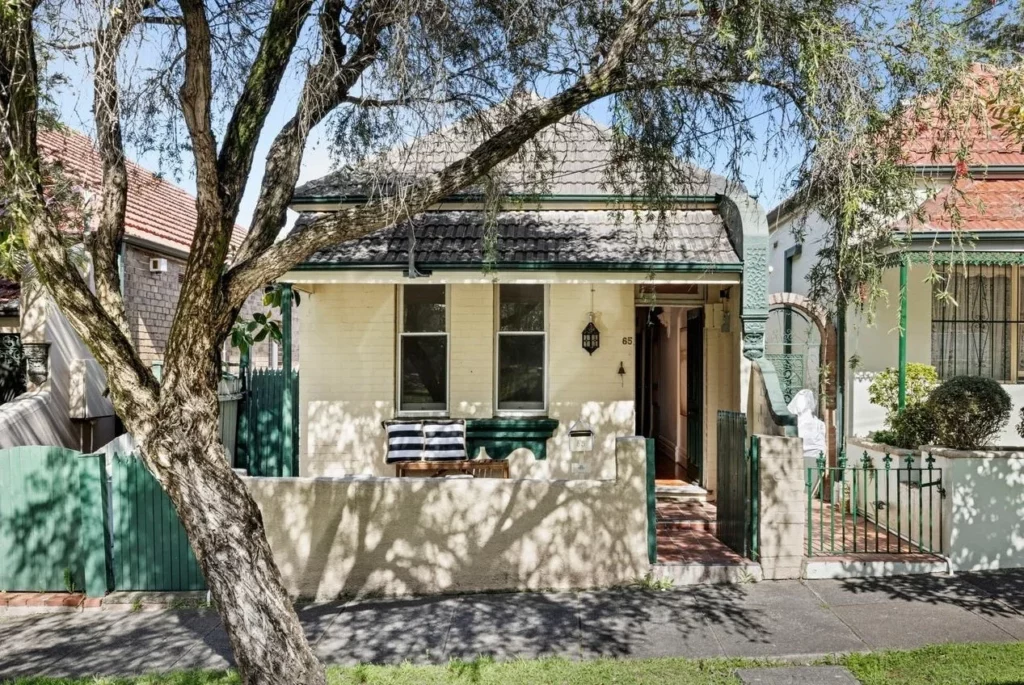
This matters in the Eastern Suburbs because competition is intense, off market activity is common, and small pricing mistakes can be expensive.
What does a property buyers agent in the Eastern Suburbs actually do?
Property Buyers Agent Eastern Suburbs represent the buyer, not the seller, and they work to secure a property on the best possible terms for their client. Their role is to reduce risk, save time, and improve the quality of decisions in a fast moving market.
Most will manage research, sourcing, inspections, due diligence coordination, pricing advice, and negotiation or auction bidding.
What is included in an initial strategy and brief?
They start by clarifying the buyer’s goals, budget, and non negotiables, then turning that into a purchase plan. This usually includes suburb targeting, dwelling type, must have features, and a realistic view of trade offs.
They may also guide timing, such as whether to buy now, wait for more stock, or prepare for auctions.
How do they help set a realistic budget and price expectations?
They typically analyse comparable sales, current listings, and local demand to define a fair value range. In the Eastern Suburbs, they often account for premiums driven by street, aspect, parking, renovation quality, and scarcity.
They may also help buyers avoid “budget creep” by quantifying likely sale prices rather than relying on listing guides.
How do they search for on market properties?
They usually shortlist suitable listings, monitor new stock daily, and filter out poor fits quickly. This includes reviewing floorplans, strata information where available, and location factors that affect resale.
They can also arrange inspections, attend on the buyer’s behalf, and provide written feedback with photos or videos.
How do they access off market and pre market opportunities?
Many buyers agents actively network with local selling agents to hear about properties before they are broadly advertised. They may also use their database of past contacts and local relationships to uncover quiet opportunities.
Off market access is never guaranteed, but a well connected agent can increase the odds of early visibility.
What happens during inspections and shortlisting?
They typically inspect properties, compare them against the brief, and identify both obvious and hidden issues. That includes layout flaws, noise, light, parking practicality, and building presentation.
They then narrow choices into a short list and advise which homes are worth progressing to due diligence and pricing work.
What due diligence support is usually included?
They commonly coordinate key checks such as building and pest inspections for houses and relevant strata checks for apartments. They may also prompt legal review of the contract and disclosure documents by the buyer’s solicitor or conveyancer.
They are not the legal expert, but they help ensure the right questions get asked before the buyer commits.
How do they assess value and recommend an offer price?
They often provide a price range based on comparable sales, property attributes, buyer demand, and likely competition. In auction heavy pockets, they may estimate the probable bidding depth and where the property sits against recent results.
Their goal is to help the buyer offer enough to win without paying for emotion, urgency, or agent pressure.
What negotiation and bidding services are included?
They typically handle private treaty negotiations directly with the selling agent, including offer structure, conditions, and timing. For auctions, they may bid on the buyer’s behalf, follow a plan, and manage the pace of bidding.
Good operators also focus on terms, not just price, such as settlement length, deposit amount, and clauses that reduce risk where appropriate.
How do they manage the process through exchange and settlement?
They often act as the central coordinator, keeping the buyer, solicitor, broker, inspector, and selling agent aligned. They may help manage deadlines, organise access for trades, and ensure paperwork steps are not missed.
They usually stay involved until contracts are exchanged, and some remain available through settlement for practical handover support.
What communication and reporting can buyers expect?
Most provide regular updates, shortlists, and clear reasoning for recommendations. The best ones explain decisions in plain language so the buyer understands trade offs and risks.
Communication often includes inspection summaries, comparable sales notes, and a timeline of next steps.
What is not usually included when hiring a buyers agent?
They generally do not provide legal advice, building certification, tax advice, or financial advice, even if they can recommend specialists. They also cannot guarantee a specific price, a specific timeline, or an off market purchase.
They may also exclude renovation project management unless separately agreed.
How are fees typically structured in the Eastern Suburbs?
Fees commonly appear as a fixed fee, a percentage of the purchase price, or a hybrid with an engagement fee plus a success fee. Some also offer negotiation only or auction bidding only services at a smaller fixed price.
A buyer should expect a clear scope, written agreement, and clarity on what happens if the search is paused or extended.
How can a buyer confirm exactly what is included before signing?
They should request a written scope of services, an example timeline, and a breakdown of what is included versus optional extras. They should also ask who will do the work day to day, how many clients the agent handles at once, and how conflicts are managed.
If the inclusions are vague, it is usually a sign the process will be vague too.
Most investors do not lose money because property is “bad.” They lose money because the funding is mismatched to the strategy, the timeline, or the property type.
What is property finance in practical terms?
Property finance is simply how they pay for a property and how they repay it. It includes the lender type, interest rate, fees, loan term, repayment method, and security.
In practice, it is the difference between a stable, long term mortgage that supports a rental strategy and a short term facility used in property development finance Australia for renovations or ground-up projects. The structure should follow the plan, not the other way around.
Why does property finance structure matter for investment growth?
The structure decides whether the asset grows their wealth or drains it. A good deal can become unworkable if repayments spike, the term is too short, or refinancing is not realistic.
Strong structures do three things: they protect downside, they keep cash available, and they align debt costs with income. Growth often comes from repeatability, and repeatability comes from finance that does not break under stress.
What are the main types of property finance they can use?
They typically choose from a few core options:
Owner occupier or standard investment mortgages: Longer terms, lower rates, slower approval, better for stable rentals.
Commercial mortgages: Often for mixed use, multi unit, or specialist assets; underwriting focuses on income and business strength.
Bridging finance: Short term funding for purchases needing speed, refurbishment, auction, or chain breaks.
Development finance: Staged drawdowns tied to build milestones; designed for ground up or heavy works.
Mezzanine and private debt: Higher cost, fills a gap when senior debt is capped.
Joint ventures and equity partners: Not a loan, but shared upside and control.
The right mix depends on whether the plan is hold, flip, add value, or build.
How should they match finance to their investment strategy?
They should start with the exit, then work backwards. A long term hold usually needs long term, refinance friendly debt. A short project needs short debt with flexible repayment and a clear timeline buffer.
A simple rule helps: short money for short problems, long money for long assets. If they plan to refinance, they should check lender criteria early, not after the work is done.
How can they use leverage without taking reckless risk?
Leverage helps growth when the property’s net income and long term value gains exceed the all in cost of debt. It becomes dangerous when small shocks, such as vacancy, rate rises, or delays, wipe out their margin.
They can manage this by keeping cash reserves, stress testing interest rates, and avoiding terms that force a refinance at the worst time. They should also avoid relying on optimistic valuations to make the numbers work.
What does a growth focused finance structure look like?
A growth focused structure is built around flexibility and cash preservation. It often includes interest only periods (where appropriate), realistic loan to value, and an exit plan that works even if timelines slip.
They typically aim for: predictable repayments, the ability to refinance onto cheaper debt, and enough liquidity to do the next deal. The structure should still work if rents drop, costs rise, or the project overruns.
How should they think about fixed vs variable rates?
Fixed rates increase certainty and make budgeting easier, which can be valuable for long holds. Variable rates can be cheaper at times and may suit short horizons, but they expose them to rate shocks.
They should decide based on their risk tolerance and time horizon, then model both scenarios. If a variable rate would turn the deal negative under a reasonable stress test, the structure is too tight.
What fees and “hidden” costs should they model upfront?
They should model the full cost of capital, not just the interest rate. Common costs include arrangement fees, broker fees, legal fees, valuation fees, exit fees, and early repayment charges.
For bridging and development finance, they should also account for drawdown timing, monitoring surveyor costs, and interest that rolls up. A deal can look profitable until these costs are included.
How can they structure finance to improve cash flow?
Cash flow improves when repayments match income and when they reduce expensive short term debt quickly. They may use interest only, longer amortisation, or staged financing that converts to a cheaper long term loan after stabilisation.
They can also refinance after value add work, such as refurbishment, lease up, or reconfiguration, if the new valuation and lender criteria support it. The goal is not maximum borrowing, but sustainable surplus.
How should they plan the refinance and exit strategy?
They should define the exit before they take the loan. Common exits include sale, refinance to a buy to let or commercial mortgage, or repayment from other capital.
They should also plan a backup exit, such as selling earlier, reducing scope, or injecting additional equity. Time buffers matter, because delays are common and lenders charge for extensions.
What documents and metrics do lenders care about most?
Lenders usually focus on income, affordability, and risk. They often ask for proof of income, bank statements, tax returns, experience, credit profile, and details of the property and works.
Key metrics include loan to value (LTV), debt service coverage ratio (DSCR) for income assets, and gross development value (GDV) and cost to complete for projects. If their numbers are clean and evidenced, pricing and approval improve. You may like to visit https://joesbrook.com/how-commercial-real-estate-asset-management-improves-roi/ to learn more about “How Commercial Real Estate Asset Management Improves ROI”.
What common structuring mistakes slow growth?
They often make the same avoidable errors: using bridging with no realistic refinance route, underestimating renovation timelines, over borrowing on optimistic rents, and ignoring fees.
Another frequent mistake is choosing the wrong ownership structure or taking on personal guarantees without understanding the implications. Growth slows when they spend their time fixing finance problems instead of scaling a repeatable process.
How can they choose the right lender and broker?
They should choose based on fit, not hype. A lender that is perfect for a simple rental may be wrong for heavy refurbishment, and a “cheap” rate can be expensive if the lender is slow or inflexible.
A strong broker explains the full cost, the covenants, and the exit risks in plain language. They also help them compare offers on comparable assumptions, not marketing headlines.
What is a simple step by step way to structure property finance for growth?
They can use a repeatable process:
Define the strategy: hold, flip, add value, develop, or mix.
Set the exit first: sale or refinance, with timing and criteria.
Model conservative numbers: include fees, voids, delays, rate rises.
Pick the right product: match term and repayment to the plan.
Build in buffers: cash reserves and timeline slack.
Execute and stabilise: complete works, tenant, document outcomes.
Refinance or sell: move to cheaper capital or realise profit.
If they keep repeating that cycle, the finance becomes a growth tool instead of a constraint.
FAQs (Frequently Asked Questions)
What is property finance and why is its structure important for real estate investment?
Property finance refers to the various funding options used to buy, develop, renovate, or refinance real estate. Its structure is crucial because it directly impacts investment returns by improving cash flow, reducing risk, and preserving capital. A well-structured finance plan aligns with the investment strategy and timeline, ensuring that repayments are manageable and the asset contributes to wealth growth rather than draining resources.
What are the main types of property finance available for investors?
Investors typically choose from several core property finance options: owner occupier or standard investment mortgages (long-term, lower rates for stable rentals), commercial mortgages (for mixed-use or specialist assets focusing on income), bridging finance (short-term funding for quick purchases or renovations), development finance (staged drawdowns tied to construction milestones), mezzanine and private debt (higher cost to fill senior debt gaps), and joint ventures or equity partners (sharing upside without loans). The right mix depends on whether the plan is to hold, flip, add value, or build.
How should investors match their property finance to their investment strategy?
Investors should start with their exit plan and work backwards. Long-term holds require long-term, refinance-friendly debt with stable repayments. Short projects need short-term debt with flexible repayment terms and a clear timeline buffer. A practical rule is ‘short money for short problems, long money for long assets.’ Early assessment of lender criteria is essential if refinancing is planned after renovations or developments.
How can investors use leverage effectively without taking reckless risks?
Leverage enhances growth when the property’s net income and long-term appreciation exceed the total cost of debt. To avoid reckless risk, investors should maintain cash reserves, stress test interest rates to assess impact of rate rises or vacancies, avoid loan terms that force refinancing at unfavorable times, and not rely on optimistic valuations. This approach helps manage shocks like delays or market downturns while preserving investment stability.
What does a growth-focused property finance structure look like?
A growth-focused structure prioritizes flexibility and cash preservation. It often includes interest-only periods where appropriate, realistic loan-to-value ratios, and an exit plan that remains viable even if timelines slip. Key features include predictable repayments, ability to refinance onto cheaper debt later, and sufficient liquidity to pursue subsequent deals. The structure should withstand rent drops, cost increases, or project overruns without compromising financial health.
What fees and hidden costs should investors consider when modeling property finance?
Investors must model the full cost of capital beyond just interest rates. Common fees include arrangement fees, broker fees, legal fees, valuation fees, exit fees, and early repayment charges. For bridging and development finance specifically, additional costs like drawdown timing fees, monitoring surveyor expenses, and rolled-up interest should be accounted for. Ignoring these can make a seemingly profitable deal unworkable once all costs are included.
Asset managers sit between ownership goals and on-the-ground execution. They coordinate leasing, capital projects, financing, compliance, and reporting so the asset stays on track and cash flow is protected.
What is commercial real estate asset management in practical terms?
Commercial real estate asset management is the ongoing work of maximizing a property’s financial performance while managing risk. In practice, commercial real estate asset management translates the original underwriting into clear priorities, then measures results against the plan.
That typically includes leasing strategy, operating expense controls, capital planning, debt oversight, vendor performance, and investor reporting. The goal is simple: improve net operating income (NOI), reduce volatility, and create better exit options.
How does asset management increase NOI without “raising rents and hoping”?
They improve NOI by pulling multiple levers at once, not just rent increases. That means tightening lease execution, improving tenant retention, and reducing avoidable expenses.
They also focus on “quality” NOI. Short-term spikes from aggressive concessions or poor tenant selection can backfire. Asset management aims for sustainable income that holds up under renewals, market shifts, and lender scrutiny.
How do they improve leasing performance and tenant retention?
They set leasing targets based on market data and the property’s positioning, then align brokers, property management, and ownership around the same scorecard. That prevents drift, such as chasing the wrong tenant profile or accepting terms that hurt long-term value.
Retention is often the cheapest “new lease.” They track expirations early, identify at-risk tenants, and use renewals, tenant improvements, and service upgrades strategically so downtime and leasing costs stay lower.
How does expense management directly raise ROI?
Every dollar saved in operating expenses can lift NOI immediately, and NOI drives valuation. Asset managers audit recurring costs, renegotiate vendor contracts, and enforce budgeting discipline.
They also separate “necessary” costs from “legacy” costs. Items like utilities, cleaning, security, landscaping, and repairs frequently have pricing gaps or scope creep. Tight scopes, bid processes, and performance reviews can materially improve margins.
How do capital improvements turn into real returns, not just nicer buildings?
They prioritize capital projects based on payback, tenant demand, and risk reduction. Instead of spending because a building “needs an upgrade,” they invest where it supports higher rents, better occupancy, or longer lease terms.
They also manage phasing and disruption. A project that causes vacancy or tenant frustration can erase returns. Asset management coordinates timing, contractor oversight, and communication so capital work protects operations while it adds value.
How does better risk management protect ROI?
They protect ROI by reducing the size and frequency of negative surprises. That includes lease compliance, insurance coverage, safety issues, deferred maintenance, and concentration risk with major tenants.
They also watch market risk and tenant credit quality. If rent collections or tenant health trends worsen, they respond early with restructuring, replacements, or expense containment before the income statement deteriorates.
How do they use financing and refinancing to improve returns?
Debt structure can raise or crush returns. Asset managers monitor covenants, interest rate exposure, maturity schedules, and lender requirements so the capital stack stays aligned with the hold strategy.
They also prepare early for refinancing or sale by improving reporting, stabilizing income, and documenting capital work. Cleaner financials and reduced perceived risk can lead to better loan terms and stronger pricing.
How does asset management improve exit value and timing?
They treat the exit as a process, not an event. That means building a story a buyer can underwrite: stable cash flows, defensible rent levels, clear capex history, and credible growth opportunities.
Timing improves when they track market conditions and buyer demand while keeping the asset “sale-ready.” Even small issues, like incomplete leases, messy reconciliations, or unclear vendor contracts, can reduce bids or delay closing.
How do reporting and KPIs translate into better decisions?
They use KPIs to spot problems while they are still small. Occupancy, renewal probability, rent collections, leasing pipeline, operating margin, capex burn rate, and tenant satisfaction often predict future performance.
Reporting also creates accountability. When property management, leasing teams, and vendors are measured against clear targets, execution improves. Better execution compounds into higher NOI and better risk-adjusted returns.
What does a good asset management cadence look like?
They run a consistent rhythm: weekly leasing and operations check-ins, monthly financial reviews, and quarterly strategy resets. That cadence keeps the business plan alive instead of becoming a forgotten spreadsheet.
They also document decisions and assumptions. When market conditions change, they can explain pivots to owners and lenders and move quickly without losing alignment.
Which ROI metrics does asset management most influence?
They influence cash-on-cash returns by growing distributable cash flow and controlling volatility. They influence IRR by improving the pace and reliability of cash flows and strengthening the exit price.
They also affect equity multiple by increasing terminal value through higher NOI and better market positioning. In many cases, small NOI improvements can produce outsized valuation gains because value is often a multiple of NOI.
When should an owner bring in an asset manager?
They should bring one in as soon as there is a value-creation plan to execute, especially after acquisition or during a repositioning. The earlier the alignment, the fewer “expensive lessons” show up in the first year.
It is also critical when portfolios grow. Once ownership has multiple properties, consistent processes, benchmarking, and lender-ready reporting become harder without dedicated asset management. Learn more about : What Is Property Finance And How To Structure It For Investment Growth.
What are the most common ways ROI leaks without asset management?
ROI often leaks through slow leasing decisions, poorly negotiated renewals, uncontrolled maintenance spending, and delayed capital projects. It also leaks through weak documentation that complicates refinancing or sale.
Another common leak is misalignment: leasing teams chase volume, property management focuses on day-to-day tasks, and ownership expects a value-add transformation. Asset management connects those groups so the plan is executed consistently.
What is the bottom line on how asset management improves ROI?
Commercial real estate asset management improves ROI by increasing durable NOI, controlling costs, reducing risk, and enhancing exit outcomes. They make performance measurable and execution repeatable.
When they do the job well, returns rise from many small improvements that compound over time. That compounding is often what separates an average deal from a great one.
FAQs (Frequently Asked Questions)
What is commercial real estate asset management and how does it enhance property performance?
Commercial real estate asset management is the ongoing process of maximizing a property’s financial performance while managing risk. It connects the business plan to daily decisions by coordinating leasing, capital projects, financing, compliance, and reporting. This active management improves net operating income (NOI), reduces volatility, and creates better exit options for investors.
How does asset management increase net operating income (NOI) beyond just raising rents?
Asset management increases NOI by pulling multiple levers simultaneously, such as tightening lease execution, improving tenant retention, and reducing avoidable expenses. It focuses on generating sustainable, high-quality NOI that holds up under renewals, market shifts, and lender scrutiny rather than relying solely on rent increases or short-term spikes.
In what ways do asset managers improve leasing performance and tenant retention?
Asset managers set leasing targets based on market data and property positioning, aligning brokers, property management, and ownership around shared scorecards to prevent misaligned efforts. They proactively track lease expirations, identify at-risk tenants early, and strategically use renewals, tenant improvements, and service upgrades to minimize downtime and reduce leasing costs.
How does effective expense management directly contribute to higher ROI in commercial real estate?
Every dollar saved in operating expenses immediately lifts NOI, which drives property valuation. Asset managers audit recurring costs, renegotiate vendor contracts, enforce budgeting discipline, and differentiate necessary expenses from legacy costs. Through tight scopes, competitive bidding processes, and performance reviews of services like utilities and maintenance, they materially improve profit margins.
What role do capital improvements play in generating real returns rather than just enhancing building aesthetics?
Capital improvements are prioritized based on payback potential, tenant demand, and risk reduction to support higher rents, better occupancy rates, or longer lease terms. Asset managers carefully manage project phasing and minimize disruptions to avoid vacancy or tenant dissatisfaction. Coordinated timing and oversight ensure capital work protects operations while adding tangible value.
How does commercial real estate asset management protect ROI through risk management?
Asset managers reduce negative surprises by ensuring lease compliance, adequate insurance coverage, safety standards adherence, timely maintenance, and diversifying tenant concentration risk. They monitor market conditions and tenant credit quality closely to respond proactively with restructuring or expense containment strategies before income deteriorates.
This guide breaks down what to look for so they can match a DHOAS provider to their outcomes, not just a brochure.
What exactly should they expect a DHOAS company to do?
A good DHOAS company should deliver a clearly defined service, measurable milestones, and transparent reporting from day one. They should explain what they manage, what they do not manage, and how decisions get made.
Before comparing vendors, they should request a one page service scope that includes responsibilities, timelines, approvals, and escalation paths. If the scope is vague, the partnership usually becomes vague too.
What property goals should drive the selection?
The best choice depends on the goal: maximize cash flow, stabilize operations, prepare for sale, improve tenant experience, or reduce compliance risk. A DHOAS company should show how their process supports that specific target.
They should write down the top three outcomes, then ask each provider how they would achieve them in the first 30, 60, and 90 days. Clear answers usually signal real operational maturity.
How can they tell if a DHOAS company is credible?
Credibility shows up in proof, not promises. They should be able to share relevant case studies, references, and examples of reporting.
They should also be consistent when answering basic operational questions, like how often they communicate, how they document decisions, and how they handle vendor or tenant issues. If different people give different answers, the operation may not be standardized.
Which service scope details matter most before signing?
Scope should be specific enough that two people would interpret it the same way. They should look for details on inclusions, exclusions, service hours, response times, and who pays for what.
They should also confirm how they will handle emergencies, after hours requests, and third party coordination. If those items are missing, they often become the biggest sources of conflict later.
How should they compare pricing without getting misled?
They should compare pricing using the same scope, the same assumptions, and the same success metrics. A cheaper fee can be expensive if it excludes essentials or creates constant add ons.
They should ask for a sample monthly invoice and a list of common extra charges. If the provider cannot show what “normal” looks like, budgeting will be harder than it needs to be.
What questions should they ask about communication and reporting?
They should expect a set cadence, clear owners, and consistent reporting. The provider should state how often they send updates, what the report includes, and how quickly they respond to requests.
They should ask to see a real report, not a template. A strong report usually includes completed work, open issues, timelines, risks, and next steps, written in plain language. Read more about plain language and word choice.
How can they evaluate the team, not just the sales pitch?
They should meet the person who will actually run the account. If they only meet sales, they are buying a promise, not a process.
They should ask who does day to day work, who approves decisions, and what happens if the assigned manager leaves. Stability and coverage matter, especially during transitions or urgent situations.
What red flags should they watch for during selection?
Red flags are usually patterns of avoidance. If they resist sharing references, avoid clear scope definitions, or promise results without details, that is a warning.
They should also be cautious if the provider cannot explain how they handle disputes, cost overruns, or missed deadlines. A mature operator has a plan for problems, not just for ideal weeks.
How should they validate fit with a small test or trial?
If possible, they should start with a limited engagement tied to one clear goal. A short pilot reveals responsiveness, documentation quality, and how they handle ambiguity.
They should define what success looks like before the pilot starts. If the provider performs well in a small scope with real constraints, they are more likely to perform well at full scale. Check out more about DHOAS Refinance: When Does It Make Financial Sense?
What should they include in the contract to protect their goals?
They should ensure the contract matches the scope, reporting, timelines, and pricing they agreed to. They should also include exit terms that are practical, not punitive.
Key items include service level expectations, change order rules, confidentiality, data ownership, and dispute handling. If the agreement is silent on how work changes get priced, the relationship can become a series of surprises.
How can they make the final decision with confidence?
They should choose the DHOAS company that aligns best with their goals, proves they can execute, and communicates clearly. The best partner is usually the one with the clearest scope, the most consistent answers, and the most usable reporting.
If they feel they need to “hope” it works, they should keep looking. A good fit should feel structured, transparent, and easy to manage from the start.
FAQs (Frequently Asked Questions)
What should I expect a DHOAS company to deliver from the start?
A reputable DHOAS company should provide a clearly defined service, measurable milestones, and transparent reporting right from day one. They must clarify what they manage, what falls outside their scope, and how decisions are made throughout the partnership.
How do I align my property goals with the right DHOAS provider?
Your choice of a DHOAS company should be driven by your specific property goals—whether that’s maximizing cash flow, stabilizing operations, preparing for sale, enhancing tenant experience, or reducing compliance risk. The provider should demonstrate how their process supports these targets and outline actionable steps for the first 30, 60, and 90 days.
What are key indicators of credibility in a DHOAS company?
Credibility is shown through proof such as relevant case studies, client references, and sample reports. Consistency in answering operational questions about communication frequency, decision documentation, and handling vendor or tenant issues also signals a mature and standardized operation.
Which service scope details are critical to review before signing with a DHOAS provider?
Ensure the service scope is specific enough to avoid misinterpretation. Key details include inclusions and exclusions, service hours, response times, financial responsibilities, emergency protocols, after-hours requests handling, and coordination with third parties. Missing elements here often lead to conflicts later.
How can I effectively compare pricing among different DHOAS companies?
Compare pricing based on identical service scopes, assumptions, and success metrics. Beware of lower fees that exclude essential services or incur frequent add-ons. Request sample monthly invoices along with lists of common extra charges to understand typical costs and budget accurately.
What questions should I ask regarding communication and reporting from a DHOAS partner?
Ask about their communication cadence, designated point persons for updates, report content details, and response times to inquiries. Request to see an actual report rather than a template; strong reports typically cover completed work, open issues, timelines, risks, and next steps presented in clear language.
DHOAS adds an extra layer because the subsidy interacts with interest, repayments, and lender choices. That means a “lower rate” headline is not enough. They need to check the full numbers.
What is a DHOAS refinance in plain terms?
A DHOAS refinance is when they replace their current DHOAS-eligible home loan with a new loan, either with the same lender or a different one. The goal is usually to secure a lower interest rate, better features, or a loan structure that fits their life now.
In practice, it means new repayments, new fees, and possibly a new strategy for using the monthly subsidy effectively.
When does refinancing reduce total cost rather than just the rate?
It makes financial sense when the interest saved over a realistic timeframe is greater than all refinance costs. Those costs can include discharge fees, application fees, valuation, settlement costs, and government charges depending on the state and circumstances.
If their saving is small and the fee stack is large, the refinance can look good on paper while costing more overall.
How can they use a break-even calculation to decide quickly?
They can estimate a break-even point by dividing total refinance costs by monthly repayment savings. If refinancing costs $3,000 and saves $150 per month, break-even is about 20 months.
If they plan to sell, upgrade, or pay the loan down aggressively before that point, refinancing is usually not worth it.
When does a shorter remaining loan term change the answer?
A shorter remaining term often reduces the benefit of refinancing because there is less time for interest savings to accumulate. Even a meaningful rate drop may not offset costs if they are close to paying the loan off.
In that case, a cheaper option can be negotiating a rate reduction with the current lender instead of a full refinance.
When does increasing the loan term make sense, and when is it a trap?
Extending the term can improve cash flow by lowering required repayments, which helps if their budget is tight. That can be rational if they plan to use the breathing room to rebuild buffers or manage variable income.
It becomes a trap if it simply stretches the debt longer and increases total interest, especially if they do not actually invest the monthly difference into offset, extra repayments, or savings.
How do fees and lender incentives affect the real outcome?
Fees matter more than many borrowers expect because they are immediate and certain, while rate savings are spread out and depend on future rates. Cashback offers can help, but they should treat them as partial fee offsets, not “free money.”
If a lender’s rate is higher but the package is cheaper, it can still win on total cost after 2–3 years.
How does the DHOAS subsidy change the refinancing maths?
DHOAS reduces their effective out-of-pocket cost, but it does not automatically make every refinance beneficial. They should focus on what they actually pay after the subsidy and how the subsidy interacts with their repayment structure.
If a refinance changes repayments, features, or the interest portion of payments, it can change how valuable the subsidy feels month to month, even if the long-run saving is positive.
When is refinancing mainly about features rather than rate?
Refinancing can be worth it if it unlocks an offset account, better redraw, or more flexible repayment options that reduce interest or improve control. For many borrowers, an offset can beat a small rate difference if they keep a strong cash balance.
If they hold large savings, the best “rate” is often the one paired with the best offset structure.
What situations usually mean they should refinance now?
Refinancing often makes sense if they are on an uncompetitive variable rate, their fixed period has ended and reverted to a high roll-off rate, or their LVR has improved enough to qualify for cheaper pricing. It can also make sense if their credit profile and income stability are stronger than when they first borrowed.
If they can cut the rate meaningfully and break even within a timeframe that matches their plans, the case is usually strong. Click here to get more about how to choose the right DHOAS company for your property goals.
What situations usually mean they should not refinance?
It often does not make sense if they will sell soon, the break costs on a fixed loan are high, or their new loan would carry expensive ongoing fees that erase savings. It can also be a poor move if refinancing encourages them to reset the term and pay more interest over time.
If their current lender will match the market with a simple repricing, that can be the cleaner win.
What should they check before applying so they do not get surprised?
They should confirm whether the existing loan is fixed or variable, whether break costs apply, and what discharge and settlement fees will be charged. They should also check the new lender’s full comparison rate, ongoing fees, offset terms, and any package requirements.
Finally, they should confirm the refinance will remain compatible with their DHOAS arrangements and personal eligibility circumstances.
What is a simple decision rule they can use?
If they can (1) cut the effective cost meaningfully, (2) break even in a timeframe that fits their plans, and (3) keep or improve features that help them pay less interest, refinancing usually makes financial sense. If any one of those fails, they are often better off negotiating, restructuring, or waiting.
A DHOAS refinance is best treated like a numbers test plus a lifestyle test, not a rate chase.
FAQs (Frequently Asked Questions)
What is a DHOAS refinance and how does it work?
A DHOAS refinance involves replacing an existing DHOAS-eligible home loan with a new loan, either through the same or a different lender. The aim is to secure a lower interest rate, better loan features, or a structure that better fits current financial circumstances. This process results in new repayments, fees, and potentially a revised strategy for utilizing the monthly DHOAS subsidy effectively.
When does refinancing a DHOAS-backed home loan actually reduce total costs?
Refinancing reduces total costs when the interest savings over a realistic period exceed all associated refinance expenses such as discharge fees, application fees, valuations, settlement costs, and government charges. If the savings are minimal compared to high fees, refinancing might look beneficial superficially but could cost more overall.
How can I quickly determine if refinancing my DHOAS loan is worth it using break-even calculations?
You can estimate the break-even point by dividing total refinance costs by your monthly repayment savings. For example, if refinancing costs $3,000 and saves $150 per month, your break-even point is about 20 months. If you plan to sell or pay off your loan before this period, refinancing may not be financially advantageous.
How do remaining loan term and loan length affect the decision to refinance a DHOAS loan?
A shorter remaining loan term often diminishes the benefits of refinancing since there’s less time to accumulate interest savings. In such cases, negotiating a rate reduction with your current lender may be more cost-effective than a full refinance. Conversely, extending the loan term can improve cash flow but may increase total interest paid if not managed wisely. You may like to visit https://moneysmart.gov.au/managing-debt/debt-consolidation-and-refinancing to get more about debt consolidation and refinancing.
What role do fees and lender incentives play in evaluating a DHOAS refinance?
Fees are critical because they represent immediate and certain costs, whereas rate savings are spread out over time and depend on future rates. Cashback offers should be viewed as partial fee offsets rather than free money. Sometimes a lender with a slightly higher rate but lower overall package cost can provide better total savings after 2–3 years.
How does the DHOAS subsidy impact the financial calculation when considering refinancing?
The DHOAS subsidy lowers your effective out-of-pocket repayments but doesn’t guarantee that every refinance will be beneficial. It’s important to assess what you actually pay after applying the subsidy and how changes in repayments or interest portions affect its value month-to-month. Even if long-term savings seem positive, altered subsidy interactions can influence short-term affordability.
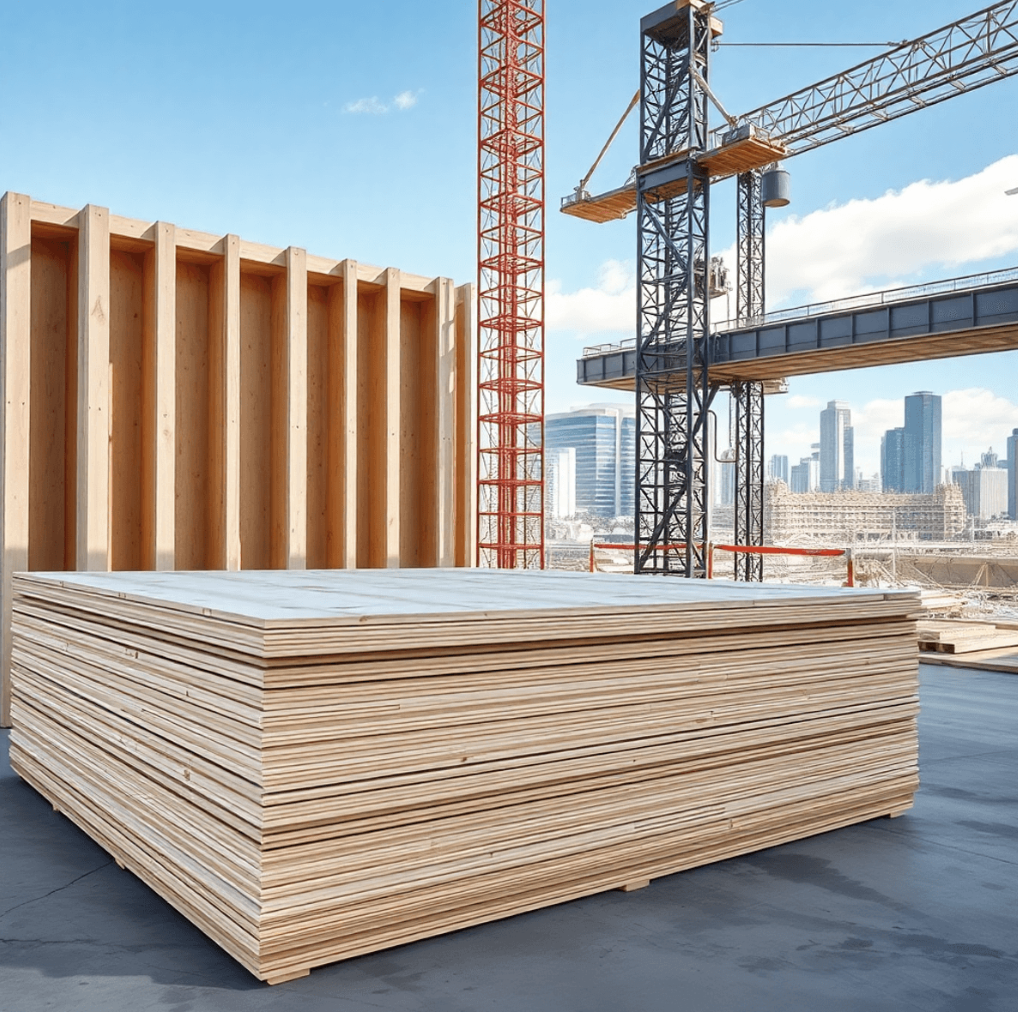
Timber LVL formwork is an engineered wood product manufactured by bonding multiple thin wood veneers with adhesive under controlled heat and pressure. This lamination process creates a structural material that surpasses the performance characteristics of traditional solid timber.
The manufacturing technique aligns wood grain in parallel layers, eliminating natural weaknesses found in conventional lumber. Most LVL formwork originates from sustainable radiata pine plantations, where veneers are peeled from logs, dried to optimal moisture content, then bonded using high-strength adhesives.
Strength-to-weight advantages set LVL apart from alternative materials:
Approximately double the strength-to-weight ratio of steel formwork systems
Significantly lighter than steel whilst maintaining comparable load-bearing capacity
Superior dimensional stability compared to solid timber
Consistent structural properties throughout the entire length
These characteristics translate to easier handling on construction sites, reduced labour requirements, and lower transportation costs. Workers can manoeuvre LVL beams without heavy lifting equipment, accelerating installation timelines.
Common applications across construction projects include:
Vertical wall formwork for residential and commercial buildings
Horizontal slab and deck support systems
Bridge framework and temporary support structures
High-rise building frameworks requiring reliable load distribution
Curved architectural elements demanding flexibility
Durability represents a key advantage when decoding timber LVL formwork prices. The engineered structure resists warping, twisting, and splitting—common failures in solid timber. LVL formwork withstands 50-100 concrete pour cycles, delivering a service life of 5-7 years compared to 2-3 years for traditional timber alternatives.
This extended lifespan reduces replacement frequency, lowering long-term project costs despite potentially higher initial investment. The material maintains dimensional accuracy across multiple uses, ensuring consistent concrete finishes without degradation that compromises structural integrity.
How Do Size Dimensions Influence Timber LVL Formwork Prices?
Larger dimensions consume more raw material and require additional processing time, directly increasing the final price per beam. A 6-metre LVL beam with 300mm depth costs substantially more than a 4-metre beam at 200mm depth because manufacturers must use more veneer layers and adhesive whilst maintaining structural integrity throughout the extended length.
Length Variations
Length variations create the most noticeable price differences. Standard 6-metre beams typically range from £185-£250 in Australian markets, whilst 4-metre beams of identical width and thickness might cost £120-£165. The price-per-metre ratio doesn’t scale linearly—longer beams often carry premium pricing because they demand higher-grade veneers without defects that could compromise structural performance across extended spans.
Thickness Options
Thickness determines load-bearing capacity and material volume. Common thickness options include:
35mm beams: Entry-level formwork for light residential applications (£140-£180 per 6m)
45mm beams: Mid-range commercial projects (£185-£230 per 6m)
63mm beams: Heavy-duty industrial or high-rise construction (£250-£320 per 6m)
Each 10mm increase in thickness adds approximately 15-20% to the base cost because manufacturers must laminate additional veneer layers whilst ensuring consistent adhesive distribution and compression throughout the thicker profile.
Width Measurements
Width measurements affect handling efficiency and coverage area. Standard widths of 150mm, 200mm, and 240mm serve different formwork configurations. A 240mm-wide beam covers more surface area per installation but requires 60% more material than a 150mm beam of identical length and thickness, translating to proportional cost increases.
Custom Dimensions
Custom dimensions outside standard manufacturing sizes attract surcharges of 25-40% above comparable standard beams. Suppliers must adjust production runs, recalibrate pressing equipment, and manage specialised inventory for non-standard specifications. A custom 5.5-metre beam with 55mm thickness might cost nearly as much as a standard 6-metre beam despite using less material, purely due to manufacturing adjustments.
Geographic pricing differences create substantial variations in timber LVL formwork costs across Australia. Metropolitan buyers in Sydney, Melbourne, or Brisbane typically pay 10-15% less than their regional counterparts for identical products.
1. The Impact of Transport Costs on LVL Prices
The transport cost impact on LVL prices stems from distance to manufacturing facilities and distribution centres. Most LVL production occurs near major urban hubs where radiata pine plantations and processing plants concentrate. Regional construction sites located 200-300 kilometres from these centres face additional freight charges that suppliers pass directly to customers.
2. The Role of Supplier Density in Pricing Structures
Supplier density plays an equally critical role in pricing structures. Metropolitan markets host multiple competing suppliers within close proximity, driving competitive pricing strategies. A builder in Sydney’s western suburbs might access five or six LVL suppliers within a 50-kilometre radius, each vying for market share through aggressive pricing.
Regional areas present a different landscape entirely. A construction project in rural New South Wales or Queensland might have access to only one or two suppliers, reducing competitive pressure on pricing. These suppliers factor in longer delivery routes, smaller order volumes, and higher per-unit logistics costs when calculating quotes.
3. Practical Examples of Pricing Differences
Consider a practical example: a 300mm x 45mm x 6000mm LVL beam might cost $215 delivered to a Melbourne construction site, whilst the same beam delivered to Bendigo (150 kilometres away) could reach $245-250. The $30-35 difference reflects fuel costs, driver time, and the inefficiency of delivering smaller quantities to dispersed locations.
4. The Influence of Coastal Accessibility on Pricing Patterns
Coastal accessibility influences pricing patterns as well. Towns with direct highway access to major cities receive more favourable rates than inland locations requiring navigation through secondary road networks. Remote sites in Western Australia’s mining regions or Queensland’s far north experience the most significant price premiums, sometimes reaching 20-25% above metropolitan rates.
5. The Effect of Fuel Price Fluctuations on Geographic Pricing Differences
Fuel price fluctuations compound these geographic pricing differences. When diesel costs spike, regional buyers absorb proportionally higher increases since transport represents a larger component of their final quote. Metropolitan customers experience minimal impact from the same fuel price movements.
What Role Does Material Quality Play in Pricing?
Material quality determines both the structural performance and longevity of your LVL formwork investment. The timber veneer quality forms the foundation of pricing—premium radiata pine veneers with consistent grain patterns and minimal defects command higher prices than lower-grade alternatives. Manufacturers source veneers from different sections of the tree, with core wood typically offering superior density and strength compared to outer sapwood layers.
The adhesive grade’s impact on cost proves equally significant in determining final quotes. Phenol-formaldehyde resins represent the industry standard for exterior-grade LVL formwork, offering exceptional moisture resistance and bonding strength under repeated concrete pours. These high-performance adhesives cost 15-20% more than interior-grade alternatives but prevent delamination during wet conditions. Some suppliers offer melamine-urea-formaldehyde adhesives as a mid-range option, balancing cost with adequate weather resistance for covered construction sites.
Understanding LVL Grade Options A/B
The grading system directly influences your formwork budget:
Grade A Characteristics:
Minimal visual imperfections
Tight grain patterns with uniform colour
No knots larger than 10mm diameter
Premium pricing at £240-£250 per 6-metre beam
Ideal for exposed architectural applications
Grade B Characteristics:
Acceptable surface imperfections including small knots
Slight colour variations across veneer layers
Knots up to 25mm diameter permitted
Cost-effective pricing at £185-£210 per 6-metre beam
Suitable for standard formwork applications
Imperfections like knots or splits raise costs through increased material waste during manufacturing. Producers must cut around defects or downgrade entire sheets, reducing yield efficiency. A single large knot cluster can disqualify a veneer sheet from Grade A classification, forcing manufacturers to either accept lower margins or pass costs to buyers. Edge splits require additional trimming and quality control measures, adding 8-12% to production expenses.
Moisture content at manufacture affects both quality and pricing. Veneers dried to 8-10% moisture content ensure optimal adhesive bonding and dimensional stability, yet this precision drying process extends production time and energy consumption.
How Does Load-Bearing Capacity Affect the Cost of LVL Formwork?
Higher load ratings directly translate to premium pricing. A beam rated for 60kN/m² costs approximately 25-35% more than one rated for 40kN/m², reflecting the enhanced structural capacity’s impact on cost through additional manufacturing requirements and material specifications.
The load rating pricing effect stems from the engineering demands placed on high-capacity beams. Manufacturers must use:
Denser veneer configurations with tighter grain patterns
Premium-grade adhesives that maintain bond integrity under extreme stress
Additional lamination layers to achieve the required strength thresholds
More rigorous quality testing protocols including stress testing and deflection analysis
Projects involving heavy concrete pours, multi-storey structures, or long-span applications require beams with superior load-bearing capabilities. A residential slab formwork might function adequately with 40kN/m² rated LVL, whilst commercial high-rise developments demand 60kN/m² or higher ratings to safely support the substantial weight of wet concrete and construction equipment.
The price differential reflects performance assurance. Beams engineered for 60kN/m² undergo more intensive manufacturing processes, including extended pressing times under higher temperatures and pressures. This ensures the veneer layers bond more completely, creating a homogeneous structure capable of distributing loads evenly without deformation or failure.
Structural engineers specify load ratings based on calculated dead loads (permanent weight) and live loads (temporary forces). Underspecifying capacity to reduce costs creates serious safety risks and potential structural failures. A beam rated for 40kN/m² subjected to 55kN/m² loads may experience:
Excessive deflection beyond acceptable tolerances
Premature delamination between veneer layers
Permanent deformation affecting reusability
Complete structural failure in extreme cases
Certification and compliance add to higher-rated beam costs. Manufacturers must provide independent testing documentation and engineering certificates verifying load capacities. Third-party verification processes, mandatory for beams exceeding standard ratings, involve destructive testing samples and ongoing quality audits that increase production expenses passed on to buyers.
The investment in appropriately rated LVL formwork pays.
How Do Manufacturing Practices Affect Pricing?
The Cost of Advanced Lamination Technology
The cost of advanced lamination technology directly affects the final price you pay for LVL formwork. Manufacturers who invest in cutting-edge equipment such as pressing machines, precision cutters, and automated bonding systems are able to produce beams with better accuracy and consistent strength. However, these high-tech facilities require a large initial investment—often millions of pounds—which manufacturers recover by slightly increasing their product prices.
Modern lamination presses use uniform heat and pressure on entire sheets of veneer, eliminating weak spots that older manufacturing methods often have. As a result, these beams can maintain their specified load ratings throughout their entire lifespan. This reliability comes at an extra cost, typically adding 8-12% to the base price compared to products made with traditional equipment.
The Impact of Computerised Quality Control on Price
When comparing quotes from different suppliers, you can see how computerised quality control affects the price. Facilities that have automated scanning systems are able to detect internal defects, moisture inconsistencies, and adhesive distribution problems before the beams leave the production line. These systems use laser measurements, ultrasonic tests, and digital imaging to ensure each product meets engineering specifications.
Manufacturers who have comprehensive quality programmes usually charge 10-15% more than competitors who rely on manual inspection methods. This increase in price reflects the cost of specialised testing equipment, trained technicians, and the rejection of substandard materials that would otherwise be sent to customers.
How the Manufacturing Environment Influences Pricing
The environment in which manufacturing takes place also affects pricing. Climate-controlled production facilities maintain ideal temperature and humidity levels to prevent veneer warping before lamination occurs. Dust extraction systems are used to protect the integrity of adhesives. However, maintaining these controlled conditions requires a lot of energy consumption and facility upkeep, which will be included in your quote.
The Effect of Production Efficiency on Pricing
Production efficiency can impact pricing through economies of scale. Large-scale manufacturers who run continuous production lines are able to spread their fixed costs over a larger number of products, potentially offering better prices than smaller operations that use batch processing methods. However, smaller facilities may still be able to provide competitive quotes by specialising in custom dimensions or quick turnaround times that larger producers cannot offer.
The Role of Adhesive Technology in Manufacturing Costs
The type of adhesive used in manufacturing is another factor that can affect costs. Premium phenol-formaldehyde resins create stronger bonds and better moisture resistance compared to standard adhesives, which can extend the lifespan of formwork products but may also increase production costs.
How Do Market Demand and Seasonality Impact Timber LVL Formwork Prices?
Construction activity follows predictable annual cycles that directly influence LVL formwork pricing. Spring and summer months typically see 25-35% price increases as developers rush to complete projects before winter weather interrupts work schedules.
Peak Construction Periods Create Price Pressure
The September-to-March window represents Australia’s busiest building season. During these months, formwork suppliers experience order volumes that can double or triple compared to winter periods. This surge creates immediate pricing effects:
Manufacturers prioritise existing contracts, pushing new buyers towards premium rates
Transport companies charge higher fees due to increased demand for delivery slots
Suppliers reduce discount offerings when inventory moves quickly
Lead times extend from 2-3 weeks to 6-8 weeks for standard orders
Regional variations amplify these patterns. Queensland’s subtropical climate allows year-round construction, maintaining steadier demand and more stable pricing. Victoria and New South Wales experience sharper seasonal pricing trends, with winter months offering potential savings of 15-20% for buyers willing to stockpile materials.
Supply Chain Disruptions Effect on Cost
Natural disasters create immediate and lasting impacts on LVL formwork availability and pricing. Bushfires affecting radiata pine plantations in key forestry regions can reduce raw material supply for 12-18 months following the event. The 2019-2020 bushfire season demonstrated this effect, with some suppliers reporting 30-40% price increases within three months.
Flooding presents different challenges. Heavy rainfall disrupts:
Logging operations in plantation forests
Transport routes connecting mills to construction sites
Storage facilities at distribution centres
Curing and drying processes at manufacturing plants
Climate patterns influence pricing beyond immediate disaster scenarios. Extended drought periods stress plantation growth, reducing veneer quality and increasing rejection rates during manufacturing. This quality reduction forces producers to source from wider geographic areas, adding transport costs that flow through to final quotes.
Understanding these cyclical patterns enables smarter purchasing decisions. Contractors who secure LVL formwork supplies during May-August typically achieve 12-18% cost savings compared to peak-season buyers. This approach requires adequate storage capacity and cash flow to maintain inventory during
Can Bulk Purchasing Lower Timber LVL Formwork Costs?
Yes, bulk purchasing delivers substantial cost reductions, typically 20-30% per unit compared to smaller orders. Construction firms ordering 50+ beams instead of 10-15 units access volume-based pricing tiers that dramatically reduce the per-metre cost of LVL formwork.
The mathematics of bulk purchase discounts LVL becomes compelling when examining real-world scenarios. A single six-metre beam might retail at £250, whilst ordering 100 identical beams could drop the unit price to £175-£200. This represents immediate savings of £5,000-£7,500 on a single order—funds that can be redirected to other project requirements.
Direct Cost Reductions Through Volume
Suppliers structure pricing to reward larger commitments:
Orders of 20-49 beams: 10-15% discount
Orders of 50-99 beams: 18-25% discount
Orders of 100+ beams: 25-30% discount
Ongoing supply contracts: Up to 35% reduction
These tiered discounts reflect the supplier’s reduced administrative overhead, streamlined logistics, and guaranteed revenue from substantial orders.
Freight Savings Through Consolidated Shipments
Freight savings bulk buying extends beyond the product cost itself. Transport companies charge based on vehicle capacity rather than individual items. A full truckload carrying 80 beams distributes delivery costs across all units, potentially reducing freight expenses from £15-£20 per beam to £4-£6 per beam.
Regional buyers benefit most from this dynamic. A remote Queensland construction site might face £1,200 delivery charges for a small order, but the same fee applies whether transporting 15 or 75 beams. The per-unit freight component drops proportionally with volume.
Payment Terms and Cash Flow Advantages
Large-volume buyers often negotiate extended payment terms—30, 60, or even 90 days—that improve project cash flow management. Smaller purchasers typically face immediate payment or 14-day terms. This flexibility allows contractors to complete concrete pours and receive progress payments before settling supplier invoices.
Some manufacturers offer early payment discounts (2-3% off the total invoice amount) as an additional incentive for prompt settlement.
Why Does Supplier Location and Competition Matter for Price Quotes?
Supplier regional pricing differences create significant cost variations across Australia’s timber LVL formwork market. Your quote can fluctuate by 15-25% depending purely on where your supplier operates and how many competitors serve that region.
Pricing Dynamics in Different States
New South Wales and Victoria maintain the most competitive pricing environments for LVL formwork. These states host dense concentrations of suppliers, manufacturers, and distributors competing for market share. A six-metre LVL beam that costs $185-$200 in Sydney or Melbourne might reach $220-$250 in Perth or Adelaide for identical specifications. The competition effect on cost becomes immediately visible when comparing quotes from suppliers in these different markets.
Cost Disadvantages in Western Australia and South Australia
Western Australia and South Australia face inherent cost disadvantages. Fewer suppliers operate in these regions, reducing competitive pressure on pricing. Transport distances from eastern manufacturing hubs add substantial freight charges—sometimes $40-$60 per beam when shipping cross-country. Limited supplier density also means less inventory turnover, forcing businesses to maintain higher margins to cover holding costs.
Unique Pricing Advantage in Tasmania
Tasmania presents a unique pricing advantage despite its island location. Local forestry operations provide direct access to radiata pine plantations used in LVL manufacturing. Suppliers in Hobart or Launceston often quote prices 10-15% below mainland regional areas because they eliminate long-distance logistics. A Tasmanian contractor might secure beams at $175-$190 per unit while a South Australian buyer pays $230-$245 for the same product.
The Broader Impact of Competition on Pricing
The competitive landscape influences more than just unit prices:
Stock availability: High-competition regions maintain larger inventories, reducing lead times from 2-3 weeks to 3-5 days
Service flexibility: Multiple supplier options create pressure to offer custom cutting, delivery scheduling, and technical support
Price negotiation leverage: Buyers in competitive markets can request quotes from 4-5 suppliers, driving better terms
Quality standards: Competition pushes suppliers to maintain stricter quality control to differentiate their offerings
The Consequences of Monopolies or Duopolies
Regional monopolies or duopolies eliminate these advantages. A Western Australian builder with only two local suppliers faces limited negotiating power. Those suppliers know switching costs—including freight from interstate alternatives—protect their pricing positions. This market structure can inflate quotes by $30-$
How Do Sustainability Practices Influence Timber LVL Formwork Pricing?
Eco-friendly sourcing premium adds 10–15% to base LVL formwork costs. Suppliers who source timber from certified sustainable plantations, implement carbon-neutral manufacturing processes, and use low-VOC adhesives pass these operational expenses directly to buyers through higher unit prices.
The premium reflects genuine investment in environmental stewardship. Sustainable manufacturers maintain chain-of-custody documentation, conduct regular forest audits, and invest in renewable energy systems for their production facilities. These practices require dedicated personnel, third-party certifications, and upgraded equipment—all contributing to the sustainable manufacturing impact on price.
What Certifications Drive Premium Pricing?
Forest Stewardship Council (FSC) and Programme for the Endorsement of Forest Certification (PEFC) labels command the highest premiums. Manufacturers pursuing these certifications undergo rigorous annual audits covering forest management, worker welfare, and environmental protection. The certification process alone costs suppliers £15,000–£30,000 annually, expenses reflected in product pricing.
Australian Forestry Standard (AFS) certification offers a mid-tier option with slightly lower premiums. This domestic standard focuses on native forest management and plantation practices specific to Australian conditions, making it popular among local manufacturers working with radiata pine sources.
Does Green Certification Provide Tangible Benefits?
Regulatory compliance becomes significantly easier with certified sustainable LVL formwork. Government infrastructure projects increasingly mandate environmental credentials, with some tenders requiring FSC or equivalent certification as a minimum entry requirement. Projects worth over £5 million often include sustainability scoring that influences contract awards.
Green building certifications like Green Star or NABERS reward sustainable material choices with points toward overall project ratings. Using certified LVL formwork contributes to materials credits, helping developers achieve higher certification levels that increase property values and marketability.
How Do Corporate Sustainability Goals Affect Purchasing Decisions?
Major construction firms with net-zero commitments willingly absorb the eco-friendly sourcing premium. Companies like Lendlease, Multiplex, and John Holland have published sustainability targets requiring specific percentages of certified materials across all projects. These corporate policies create stable demand for premium sustainable LVL products regardless of price differentials.
What Installation Factors Can Affect Your Final Quote?
Custom sizes, curved forms, and multi-level structures demand specialised cutting and fitting that directly increases your final quote. Standard LVL formwork beams arrive ready for straightforward installation, but deviation from these specifications introduces additional labour hours and material waste that suppliers and contractors factor into pricing.
1. Custom Sizing Requirements
Custom sizing requirements create immediate cost implications. When your project needs beams cut to non-standard lengths or widths, fabricators must allocate extra time for precise measurements and cutting operations. A standard 6-metre beam might cost £185, but requesting a 4.7-metre beam with specific width modifications could add 15-25% to the unit price due to the specialised handling and potential offcut waste that cannot be repurposed for other projects.
2. Curved Formwork Applications
Curved formwork applications present particularly complex challenges. Creating curved walls or architectural features requires either:
Pre-fabricated curved LVL sections – manufactured to exact specifications with controlled bending processes
On-site modification – cutting and shaping standard beams through specialised techniques
Segmented installation – using multiple shorter pieces arranged to approximate curves
Each approach carries distinct installation complexity cost impact. Pre-fabricated curved sections typically command 40-60% premiums over standard beams, whilst on-site modifications extend labour time by 2-3 times compared to straight installations.
3. Multi-Level Structures
Multi-level structures compound these challenges. High-rise frameworks or tiered construction projects require:
Precise alignment across multiple floors
Coordinated installation sequences
Additional bracing and support systems
Repeated measurements and adjustments
The custom sizes labour costs escalate as workers spend more time ensuring structural integrity at each level. A single-storey slab might require 8 hours of formwork installation, whilst a three-storey equivalent could demand 30-35 hours due to the cumulative complexity of vertical alignment and load distribution considerations.
4. Material Waste with Non-Standard Applications
Material waste becomes significant with non-standard applications. Standard installations typically generate 5-8% waste from trimming and adjustments. Complex projects with custom requirements can push waste rates to 15-20%, directly impacting your quote as suppliers account for this increased material consumption in their pricing calculations.
5. Specialised Fittings and Connections
Specialised fittings and connections add another cost layer. Projects requiring:
How Does Timber LVL Formwork Compare Cost-Wise to Steel Systems?
LVL formwork delivers substantial savings over steel alternatives. In Australia, timber LVL beams typically range from $185 to $250 per six-metre length, whilst comparable steel formwork systems command prices 20-30% higher for equivalent structural capacity.
The LVL vs steel formwork cost comparison extends beyond initial purchase prices. Steel systems require significant upfront investment in modular panels, frames, and proprietary components that lock contractors into specific supplier ecosystems. LVL formwork offers flexibility through standard sizing and compatibility with conventional carpentry tools, eliminating dependency on specialised equipment or rental agreements.
Initial Investment Differences
Steel formwork systems demand capital outlays that strain project budgets:
Complete steel panel sets for medium-sized projects start at $15,000-$25,000
Proprietary connectors and accessories add 15-20% to base costs
Transport requires specialised vehicles due to weight and bulk
Storage necessitates dedicated space with weather protection
LVL formwork requires minimal infrastructure investment. Standard beams integrate with existing timber framework techniques, allowing contractors to purchase only required quantities without committing to complete system packages.
Labour Savings with LVL Formwork
Labour savings with LVL formwork reach 40% compared to steel installations. A standard six-metre LVL beam weighs approximately 25-30 kilograms, whilst equivalent steel components exceed 60-70 kilograms. This weight differential transforms site operations:
Two workers handle LVL beams safely without mechanical assistance
Manual positioning and adjustment occurs quickly during setup
Modifications happen on-site using conventional saws and drills
Dismantling requires fewer personnel and less time
Steel systems demand crane hire, additional labour crews, and extended installation schedules. A typical residential slab formwork that takes four workers two days with LVL requires six workers three days with steel, multiplying wage costs whilst delaying project timelines.
Handling and Transportation Economics
LVL’s lighter weight generates cascading cost benefits throughout the supply chain. Standard utility vehicles transport LVL beams, avoiding specialised haulage fees that steel systems incur. Site delivery accepts smaller trucks or vans, reducing last-mile logistics expenses.
In contrast, the heft of steel components necessitates larger vehicles for transportation. This results in increased fuel consumption and higher transportation costs per unit delivered.
Long-Term Financial Implications
While initial investments may favour steel due to its perceived durability, long-term financial implications tilt towards LVL:
Lower replacement costs: Steel is susceptible to corrosion over time if not properly maintained or protected.
Reduced storage expenses: The stackable nature of LVL allows efficient use of vertical space in warehouses or construction sites.
Enhanced resale value: Used LVL beams retain significant value compared to second-hand steel which might face scrutiny due to potential defects.
These factors contribute to a more favourable total cost of ownership (TCO) for projects opting for timber-based solutions over their metal counterparts.
What Are Best Practices for Storage and Maintenance to Maximise Value?
Proper storage of LVL formwork begins with horizontal placement on level supports that distribute weight evenly across the entire length of each beam. Stacking formwork directly on concrete or uneven ground creates pressure points that can cause warping or permanent deformation, compromising structural integrity for future pours.
Essential Storage Requirements
Moisture protection ranks as the most critical factor in preserving LVL formwork quality. Exposure to rain, ground moisture, or high humidity causes the wood veneers to swell and the adhesive bonds to weaken over time. Storage areas should include:
Waterproof covers or tarps that allow air circulation whilst blocking direct water contact
Raised platforms or timber bearers that keep formwork at least 150mm above ground level
Adequate drainage around storage zones to prevent water pooling during wet weather
UV radiation from direct sunlight degrades the adhesive resins and dries out the timber veneers, leading to surface cracking and reduced load capacity. Covered storage facilities or UV-resistant wrapping materials extend the usable life of your formwork investment significantly.
Maintenance Protocols That Extend Service Life
Maintenance for longevity requires systematic inspection after each concrete pour cycle. Cleaning residual concrete whilst still wet prevents hardened build-up that damages veneer surfaces and creates uneven form faces for subsequent pours. A stiff brush and water remove most concrete residue without harsh chemicals that might compromise adhesive bonds.
Regular checks should identify:
Splits or cracks in veneer layers requiring repair or replacement
Edge damage from stripping operations that needs sanding or trimming
Loose or damaged connection points for formwork accessories
Signs of moisture penetration such as swelling, discolouration, or mould growth
Minor surface damage responds well to light sanding and application of sealant or release agents before the next use. Beams showing structural compromise—deep cracks, delamination, or significant warping—should be removed from service immediately.
The Economics of Proper Care
LVL formwork maintained according to best practices achieves 50-100 concrete pour cycles across a 5-7 year service life. Traditional solid timber forms may only reach 20-30 cycles due to inherent weaknesses in natural wood products.
Investing time and resources into proper storage and maintenance pays off by maximising the lifespan and performance of your LVL formwork system. This translates into lower material costs per project, reduced waste generation, and improved overall profitability for your construction business.
FAQs (Frequently Asked Questions)
What is Timber LVL Formwork and what are its main benefits?
Timber LVL (Laminated Veneer Lumber) formwork is a construction material made by bonding thin wood veneers under heat and pressure. It offers superior strength-to-weight advantages compared to steel and solid timber, making it ideal for applications such as walls, slabs, decks, bridges, and high-rise frameworks. Its durability includes resistance to warping, splitting, and allows for multiple reuse cycles.
How do size dimensions influence the price of Timber LVL formwork?
The length, thickness, and width of LVL formwork beams directly affect material costs. Standard beam sizes come with varying prices where larger or thicker beams typically cost more due to increased material usage. Understanding these size impacts helps in budgeting accurately for projects.
Why does geographic location affect Timber LVL formwork pricing?
Prices vary between metropolitan areas and regional locations primarily because of differences in transport costs and supplier density. Metropolitan buyers often pay less due to closer proximity to suppliers and better logistics, whereas regional buyers may incur higher prices due to increased transportation expenses.
How does material quality impact the cost of Timber LVL formwork?
The quality of timber veneers and adhesive grades significantly influence both durability and price. Higher-grade LVL (such as grade A) with fewer imperfections like knots or splits commands premium pricing. Using superior adhesives also enhances structural integrity but increases costs.
Can bulk purchasing reduce the overall cost of Timber LVL formwork?
Yes, buying large quantities typically results in savings of 20-30% per unit. Bulk purchases can also lower freight costs per unit and may offer additional advantages such as better payment terms or priority stock allocation from suppliers.
How does Timber LVL formwork compare cost-wise to steel formwork systems?
LVL formwork generally has an initial cost advantage of about 20–30% over steel systems, with typical prices ranging from $185-$250 per six-meter beam in Australia. Additionally, LVL offers up to 40% labour savings due to its lighter weight and ease of handling, making it a more economical choice overall.
Sydney’s construction industry benefits from a robust network of galvanised rebar suppliers Sydney competing to deliver quality steel reinforcement products. The market includes established players like Bestbar Reinforcements, Mesh & Bar Australia, Wire Industries, Sydney Reo, and Ausreo, each offering distinct advantages in fabrication capabilities, delivery logistics, and customer service.
Galvanised rebar serves as a critical component in modern construction projects, providing superior corrosion resistance compared to standard reinforcement steel. This protective zinc coating extends the lifespan of concrete structures exposed to moisture, coastal environments, or harsh weather conditions. From residential foundations to large-scale infrastructure developments, the right steel reinforcement ensures structural integrity for decades.
Selecting the best galvanised reobars supplier in Sydney requires careful evaluation beyond price considerations. Quality assurance, compliance with Australian standards, on-time delivery performance, and advanced technological capabilities directly impact project timelines and long-term structural performance. A supplier’s ability to provide customised cutting and bending services, precise scheduling support, and reliable logistics can mean the difference between seamless construction progress and costly delays, ensuring your reobars consistently meet project specifications and performance benchmarks.
The following comparison examines how leading steel reinforcement Sydney suppliers measure up across key criteria including:
Product quality and standards compliance
Service range and customisation options
Delivery reliability and logistics capabilities
Sustainability initiatives and environmental responsibility
Technological infrastructure for fabrication and scheduling
Understanding these distinctions helps construction professionals, project managers, and builders identify the supplier best aligned with their specific project requirements, whether tackling a small residential job or a major commercial development.
Environmental Responsibility and Sustainability
Modern construction increasingly prioritises sustainable material sourcing. Suppliers demonstrating environmental commitment typically partner with steel mills using recycled scrap metal, reducing the carbon footprint of new steel production. This practice aligns with green building certifications and corporate sustainability goals.
Environmental initiatives extend to packaging and transportation methods as well. Suppliers adopting eco-friendly practices minimise waste through recyclable packaging materials and optimise logistics routes to lower emissions during transit. These efforts contribute to a more sustainable supply chain overall.
Technological Advancements in Production and Supply Chain
Technological sophistication sets apart leading suppliers from their competitors. Advanced manufacturing processes, such as automated galvanisation or precision cutting techniques, enhance product quality and consistency while improving operational efficiency.
In addition, leveraging technology throughout the supply chain enables better visibility and communication between stakeholders. Real-time tracking systems provide updates on shipment status, allowing project teams to proactively manage any potential disruptions.
By considering these criteria when comparing galvanised rebar suppliers in Sydney, you can make informed decisions that support your construction project’s success while promoting sustainable practices within the industry.
What Makes Sydney Reo Stand Out Among Galvanised Rebar Suppliers?
Sydney Reo stands out from other suppliers by offering a wide range of concreting supplies instead of just focusing on reinforcement steel. This Sydney Reo galvanised rebar supplier aims to be the go-to solution for construction professionals who require various materials from a single source.
What Other Products Does Sydney Reo Offer Besides Galvanised Rebar?
In addition to basic reinforcement steel, Sydney Reo offers a comprehensive selection of concreting supplies Sydney builders need. Their inventory includes:
Jointing accessories for concrete slab connections and expansion joints
Form working materials essential for creating concrete moulds and structures
Concrete pouring equipment and accessories that streamline the casting process
Reinforcement steel in various grades and specifications
This all-encompassing approach allows contractors to consolidate their supplier relationships, reducing the administrative burden of managing multiple vendor accounts and delivery schedules.
How Far Does Sydney Reo’s Service Reach?
Sydney Reo operates throughout the Greater Sydney metropolitan area, providing consistent access to materials across diverse construction sites. Their geographical reach supports projects from the Northern Beaches to the Western suburbs, ensuring builders in Parramatta receive the same service quality as those in the CBD.
The company’s distribution network accommodates both residential developments and commercial construction sites, making them a versatile reinforcement steel supplier for varied project scales. This widespread coverage eliminates the logistical challenges that often arise when suppliers can only service limited postcodes.
Why Opt for an Integrated Approach to Construction Materials?
Sydney Reo’s strategy focuses on addressing multiple construction material needs at once. Instead of specialising solely in galvanised rebar, they understand that most concrete projects require complementary products delivered on coordinated schedules.
This integrated model offers practical advantages:
Simplified procurement through consolidated ordering systems
Coordinated deliveries that reduce site congestion and storage requirements
Consistent quality standards across all material categories
Single-point accountability for material-related project delays or issues
Builders working on complex projects appreciate having a supplier who understands how different materials interact during construction phases, from initial reinforcement placement through final concrete finishing.
What Makes Bestbar Reinforcements a Leading Choice for Large Projects?
Bestbar Reinforcements has earned its reputation through nearly three decades of consistent service delivery across Australia’s construction sector. Since establishing operations in 1995, the company has expanded to nine major locations nationwide, including strategic facilities in Sydney that serve the city’s growing infrastructure demands. This extensive network positions Bestbar as a supplier capable of handling multiple large-scale projects simultaneously without compromising service quality.
Does Bestbar Reinforcements Deliver the Quality Required for Major Infrastructure?
The company supplies high-grade steel rebar Sydney builders trust for critical infrastructure projects. Bestbar’s steel products meet rigorous Australian standards, with quality control processes ensuring each batch maintains the structural integrity required for hospitals, shopping centres, and commercial developments. Their material specifications align with AS/NZS 4671 standards, providing engineers and contractors with certified reinforcement steel that performs reliably under load-bearing conditions.
What Fabrication Capabilities Set Bestbar Apart?
State-of-the-art cut and bend services distinguish Bestbar from competitors still relying on manual processing methods. Their automated fabrication equipment processes complex rebar configurations with precision, reducing on-site labour requirements and installation time. The technology handles custom specifications for curved structures, intricate foundation layouts, and specialised architectural features that demand exact measurements. This capability proves essential for projects where prefabricated reinforcement accelerates construction schedules.
How Reliable Is Bestbar’s Project Scheduling?
Project scheduling accuracy reaches 99% according to company performance metrics, addressing one of construction’s most persistent challenges. Bestbar’s scheduling system coordinates material fabrication, quality checks, and delivery logistics to align with contractor timelines. This precision minimises costly delays that cascade through project phases, particularly valuable for large developments where multiple trades depend on timely rebar installation. Their estimating services provide detailed material calculations early in the planning stage, reducing the risk of shortages or excess orders.
Which Types of Projects Benefit Most from Bestbar’s Services?
Large-scale infrastructure developments form the core of Bestbar’s project portfolio. The supplier has delivered reinforcement steel for:
Healthcare facilities requiring specialised seismic reinforcement and long-span structural support
Retail complexes with multi-level designs necessitating precise load distribution
Educational institutions demanding durable frameworks capable of supporting future expansions
Transportation hubs involving complex interconnections between various modes of transport
These projects often involve unique engineering challenges where Bestbar’s expertise in customised solutions adds significant value.
Why Is Mesh & Bar Australia Considered Reliable and Sustainable?
Mesh & Bar Australia galvanised rebar stands out for its quarter-century commitment to quality and environmental responsibility. Since 1998, this Australian-owned company has built a reputation as a reinforced mesh supplier Sydney contractors trust for consistent product standards and delivery performance.
What Sets Their Sustainability Approach Apart?
The company’s environmental credentials extend beyond standard industry practices. Mesh & Bar Australia partners exclusively with steel mills that manufacture products from recycled scrap metal, transforming industrial waste into high-grade reinforcement materials. This closed-loop approach reduces the carbon footprint of each tonne of steel produced whilst maintaining the structural integrity required for demanding construction applications.
Their sustainable steel supply model addresses growing industry pressure to reduce environmental impact. Construction projects seeking green building certifications benefit from documented recycled content in their reinforcement materials, making Mesh & Bar Australia an attractive choice for environmentally conscious developments across Sydney.
How Do Their Service Offerings Enhance Project Efficiency?
Beyond the core product range, Mesh & Bar Australia provides specialised services that streamline construction workflows:
In-house galvanising facilities for custom corrosion protection requirements
Crane-assisted delivery eliminating manual handling and reducing site labour costs
Unloading support that minimises material damage during transfer
The crane delivery service proves particularly valuable on congested urban sites where space constraints make traditional unloading methods impractical. Operators position materials precisely where needed, reducing double-handling and accelerating construction schedules.
What Geographic Coverage Does the Company Provide?
With strategically positioned facilities throughout Sydney and other major Australian cities, Mesh & Bar Australia maintains short lead times for urgent orders. Their distribution network supports projects from Parramatta to the Eastern Suburbs, with delivery routes optimised for Greater Sydney’s traffic patterns.
The company’s local ownership structure enables responsive decision-making when project specifications change or delivery schedules require adjustment. Site managers report consistent communication throughout the supply chain, from initial quotation through final delivery confirmation.
How Does Wire Industries Cater to Diverse Construction Needs Across Sydney?
Wire Industries steel reinforcement serves projects of every scale through three decades of industry experience. Since 1994, this civil works rebar supplier has built its reputation on versatility, supplying everything from residential driveways requiring minimal reinforcement to major infrastructure developments demanding thousands of tonnes of steel.
What project types does Wire Industries support?
The supplier’s portfolio spans the complete construction spectrum. Homeowners renovating properties receive the same attention as developers constructing multi-storey commercial buildings. This approach positions Wire Industries as a one-stop solution for contractors managing varied workloads across Sydney’s diverse construction landscape.
Their residential reinforced steel Sydney offerings include:
Standard mesh for concrete slabs and footings
Custom-cut rebar for retaining walls and foundations
Reinforcement solutions for swimming pools and outdoor structures
Light-gauge steel for residential extensions
How does the product range accommodate different project scales?
Wire Industries maintains inventory suited to both ends of the construction market. Small residential projects benefit from readily available standard sizes that ship quickly, whilst large civil works receive dedicated project management and scheduling support. The supplier’s fabrication capabilities allow customisation regardless of order volume.
Civil engineering projects access heavier-grade reinforcement products, including high-tensile steel bars for bridges, tunnels, and road infrastructure. The company’s cutting and bending services ensure precise specifications are met for complex structural requirements where standard products won’t suffice.
What advantages come from their established Sydney presence?
Operating for nearly 30 years has given Wire Industries deep knowledge of Sydney’s construction regulations and site conditions. Their familiarity with local council requirements, soil types, and environmental considerations helps contractors specify appropriate reinforcement solutions from the outset. This local expertise reduces specification errors that could delay projects or compromise structural integrity.
The supplier’s distribution network covers metropolitan Sydney and extends to regional areas, ensuring consistent supply chains for projects in outer suburbs and surrounding districts. Delivery scheduling accommodates tight construction timelines, with options for staged deliveries matching concrete pour schedules.
How does Wire Industries balance service quality across different customer segments?
The company applies the same quality standards whether supplying a single-dwelling renovation or a major civil works contract. Each order undergoes identical compliance checks against Australian standards, ensuring residential
What Advantages Does Ausreo Offer for Faster Building and Waste Reduction?
Ausreo galvanised rebar solutions focus on streamlining construction timelines while minimising material waste. This fast-growing Australian-owned supplier has built its reputation on helping builders complete projects more efficiently through optimised supply chains and precision-focused services.
The company’s approach to efficient rebar supply Sydney centres on understanding the specific demands of modern construction projects. Builders working with tight deadlines benefit from Ausreo’s commitment to delivering materials exactly when needed, reducing on-site storage requirements and associated costs.
How Does Ausreo Reduce Construction Waste?
Waste reduction construction materials strategies at Ausreo involve precise cutting and bending services that eliminate excess material. The supplier works closely with builders to calculate exact quantities needed for each project phase, preventing over-ordering and the environmental impact of unused steel.
Custom fabrication services allow contractors to receive rebar cut to exact specifications. This precision reduces off-cuts that typically end up as scrap on construction sites. Builders report significant cost savings when material waste drops, particularly on large-scale residential and commercial developments.
What Makes Ausreo’s Customisation Support Different?
The supplier provides detailed consultation services to help builders optimise their reinforcement designs. Project managers can work with Ausreo’s technical team to identify opportunities for material efficiency without compromising structural integrity.
This collaborative approach extends to scheduling support, where the supplier coordinates deliveries with construction milestones. Builders avoid delays caused by material shortages or storage constraints, keeping projects moving according to planned timelines.
Which Project Types Benefit Most from Ausreo’s Services?
Residential developers working on multi-unit projects find particular value in Ausreo’s waste reduction focus. The repetitive nature of apartment construction allows for highly optimised material planning, where even small efficiency gains multiply across multiple units.
Commercial builders tackling time-sensitive projects appreciate the supplier’s emphasis on accelerated timelines. Comparing the Best Suppliers for Galvanised reobars Across Sydney reveals that Ausreo’s growth stems from addressing the construction industry’s increasing pressure to deliver projects faster without quality compromises.
Small to medium-sized contractors benefit from the supplier’s Australian ownership, which translates into a better understanding of local market dynamics and regulatory requirements.
How Do These Suppliers Compare on Service Reliability, Delivery Logistics, And Sustainability Initiatives?
What Delivery Options Set These Suppliers Apart?
Galvanised rebar delivery Sydney services vary significantly across suppliers, with each offering distinct advantages. Bestbar Reinforcements maintains a 99% scheduling accuracy rate, ensuring materials arrive precisely when needed for project timelines. Their comprehensive logistics network covers Greater Sydney with reliable on-time delivery performance backed by decades of operational experience.
Mesh & Bar Australia elevates construction material logistics through crane-assisted delivery services. This modern approach eliminates manual unloading, reducing site labour costs and minimising delays. Projects receive materials ready for immediate deployment, with cranes positioning heavy rebar bundles exactly where construction teams need them.
Sydney Reo provides flexible delivery scheduling across the Greater Sydney area, accommodating projects of varying scales. Wire Industries similarly offers adaptable logistics solutions, serving everything from residential driveways to major civil infrastructure. Ausreo focuses on rapid turnaround times, aligning delivery schedules with builders working under tight deadlines.
How Reliable Are These Suppliers for Critical Project Timelines?
Supplier reliability becomes crucial when construction schedules face penalties for delays. Bestbar Reinforcements demonstrates exceptional consistency through their 99% accuracy metric, built on sophisticated scheduling systems and state-of-the-art fabrication facilities. Their nine Australian locations, including Sydney operations, provide backup capacity and redundancy.
Mesh & Bar Australia’s 25-year operational history since 1998 reflects sustained reliability across thousands of projects. Their Australian ownership structure ensures local accountability and responsive customer service. Wire Industries’ 30-year presence since 1994 similarly indicates proven dependability across multiple construction cycles and market conditions.
Ausreo’s rapid growth trajectory suggests strong customer satisfaction and repeat business. Their efficiency-focused model prioritises meeting builder deadlines, though their newer market presence means less historical performance data compared to established competitors.
What Sustainability Practices Distinguish These Suppliers?
Sustainable steel suppliers Australia increasingly differentiate themselves through environmental initiatives. Mesh & Bar Australia leads this space by partnering exclusively with steel mills using recycled scrap metal for manufacturing. This approach transforms waste materials into high-quality recycled steel reinforcement, significantly reducing the carbon footprint associated with traditional steel production processes.
Bestbar Reinforcements also demonstrates commitment to sustainability by implementing energy-efficient practices within their operations. This includes utilising renewable energy sources and optimising production processes to minimise resource consumption.
Ausreo sets itself apart by actively promoting circular economy principles in the construction industry. They offer take-back programmes for unused or surplus steel materials, ensuring these resources are reintegrated into the supply chain rather than ending up in landfills.
Wire Industries showcases its dedication to sustainability through responsible sourcing practices. They prioritise working with suppliers who adhere to ethical mining standards and maintain transparency throughout their supply chain.
While all four suppliers have made strides towards sustainable practices, it is important for customers to evaluate these initiatives in conjunction with other factors such as pricing and service offerings when making procurement decisions.
Conclusion
Which Supplier Best Matches Your Project Requirements?
The best galvanised rebar supplier in Sydney depends entirely on your specific construction project needs. Large-scale infrastructure developments requiring precise scheduling and high-volume supplies align well with Bestbar Reinforcements’ proven track record and 99% accuracy rate. Smaller residential projects or those seeking comprehensive material solutions beyond rebar benefit from Sydney Reo’s diverse product range.
Choosing steel reinforcement supplier partners requires evaluating three critical dimensions:
Project scale and complexity – Match supplier capacity with your volume requirements
Timeline sensitivity – Prioritise suppliers with documented on-time delivery performance
Environmental commitments – Select partners aligned with your sustainability objectives
How Should You Evaluate Suppliers Before Committing?
Request detailed information about each supplier’s fabrication capabilities, delivery coverage areas, and quality certifications. Mesh & Bar Australia’s crane-assisted unloading might prove essential for sites with limited access, whilst Ausreo’s waste reduction focus suits builders targeting lean construction methods.
Construction project needs vary significantly between residential, commercial, and civil works. A hospital development demands different service levels than a home extension. Wire Industries’ versatility across project types provides flexibility, whereas Bestbar’s specialisation in major infrastructure offers depth.
What Questions Should You Ask Potential Suppliers?
Contact shortlisted suppliers with specific queries about lead times, minimum order quantities, customisation options, and emergency supply capabilities. Verify their compliance with Australian standards and request references from similar projects. Comparing the Best Suppliers for Galvanised reobars Across Sydney reveals that each provider brings distinct strengths to different construction scenarios.
The right supplier partnership extends beyond competitive pricing—it encompasses reliability, technical support, and alignment with your project’s unique demands and values.
FAQs (Frequently Asked Questions)
What criteria should I use to compare galvanized rebar suppliers in Sydney?
When comparing galvanized rebar suppliers in Sydney, consider product quality and compliance with Australian construction steel standards, the range of services including customization and delivery logistics, supplier reliability and on-time delivery performance, sustainability and environmental responsibility initiatives, as well as technological capabilities like cut and bend equipment and scheduling accuracy.
How does Sydney Reo differentiate itself among galvanized rebar suppliers in Sydney?
Sydney Reo stands out by offering a wide range of concreting project supplies beyond just galvanized rebar, including jointing and form working accessories. They provide extensive coverage across the Greater Sydney area, supporting various construction needs with comprehensive construction material solutions alongside their galvanized rebar products.
Why is Bestbar Reinforcements considered a leading choice for large-scale construction projects in Sydney?
Bestbar Reinforcements has a long-standing presence since 1995 with multiple major locations including Sydney. They supply high-grade steel products using state-of-the-art fabrication technology such as cutting and bending. Their emphasis on precise project scheduling achieves a reported 99% accuracy rate, making them ideal for large infrastructure projects like hospitals and shopping centres.
What makes Mesh & Bar Australia a reliable and sustainable supplier of galvanized rebar in Sydney?
Mesh & Bar Australia is an Australian-owned company operating since 1998 with a strong presence in Sydney. They demonstrate commitment to sustainability through partnerships that use recycled scrap metal for manufacturing. Additional services include galvanizing and crane-assisted delivery which enhances unloading efficiency on site.
How does Wire Industries cater to diverse construction needs across Sydney?
Established in 1994, Wire Industries is a leading steel reinforcement supplier covering both small-scale residential projects like home driveways and large civil works. They offer a broad product range tailored to varying project sizes and requirements throughout Sydney, ensuring versatile support for different construction demands.
What advantages does Ausreo offer for faster building processes and waste reduction in construction?
Ausreo is a fast-growing Australian-owned supplier focused on improving efficiency in building processes. They provide innovative galvanized rebar solutions aimed at reducing waste through optimised supply and customisation support. This approach helps builders accelerate project timelines without compromising on quality or sustainability goals.
Finding your dream property in Australia can be an overwhelming experience. Stories of overpayment, hidden fees, and disappointing investments are not uncommon. A property buyers agent in Stanmore can help navigate the complexities and ensure you don’t overpay. Empowering you with local knowledge and negotiating expertise, these professionals can be an invaluable asset during your home purchase journey.
With 88% of home buyers opting for the assistance of a real estate agent or broker, it’s clear the demand for expert guidance is high. Many buyers are not only seeking the perfect home but also trying to avoid costly mistakes. A trusted property buyers agent Stanmore brings local market insights and skilful negotiation skills, ensuring you secure the best deal without the pitfalls of overpayment.
Understanding the Role of a Property Buyers Agent
A property buyers agent acts as your trusted adviser when you set out to purchase a property. Their role spans from market analysis and property inspections to price negotiations and finalising the sale. They eliminate guesswork and reduce the likelihood of making impulsive or costly decisions.
The buyer’s agent’s key appeal is the ability to understand local market dynamics. With deep local expertise, they spot trends and recognise potential pitfalls. Their access to historical data and local information further informs their advice, helping you avoid paying above market value.
With the revelation that 95% of buyer agents quote commission rates between 2.5% and 3%, it is clear that transparency in pricing allows buyers to make informed decisions. This clarity, combined with local expertise, ensures you benefit from a market-savvy advisor who genuinely looks out for your best interests.
Avoiding Overpayment in the Current Market
Recent studies reveal alarming statistics about overpayments and hidden fees within the property market. Sellers with large equity gains have, on average, overpaid by around 2% on their first subsequent home purchase. This often stems from a lack of market insight and aggressive pricing strategies that don’t always reflect a property’s true value.
A property buyers agent often leverages comprehensive research tools that outperform traditional valuation methods. Their access to the latest data and expert networks ensures that the property you purchase is priced fairly. By understanding trends, these agents help you avoid paying an extra 2% or more, which can save a significant sum over the life of your investment.
Furthermore, buyer agent professionals know how to address the prevalent issue of underquoting. In Sydney, almost two-thirds of houses sold at auction were classified as underquoted, leading to unexpected competition and inflated final sale prices. With a property buyers agent guiding you, you receive a realistic market analysis that can steer you clear of such pitfalls.
Navigating Mortgage Fees and Associated Costs
Understanding the Fee Structures
One alarming statistic is that most U.S. home buyers are overpaying on mortgage fees, with the market totalling more than $13 billion a year. While Australian regulations and fee structures differ, the principle remains the same – many buyers pay more than necessary on ancillary costs.
A property buyers agent familiar with Stanmore’s financial landscape can help you navigate varying fee structures. They routinely compare different mortgage products, ensuring that you only pay what is necessary. Knowing that simplified loan structures, like zero-fee loans, exist provides you with leverage during negotiations.
Paying attention to mortgage fee details can save you a considerable amount in the long run. Your buyer agent actively monitors changes in fee structures and new product offerings. Their expertise means you receive a tailored comparison, ensuring that you choose the best option for your specific financial circumstances.
Strategies to Reduce Mortgage Overpayment
To reduce overpayment, the approach is twofold: vigilant shopping and strategic negotiation. Savvy buyers know that mortgage fees can be a hidden burden if not addressed early on. With a reputable buyer’s agent by your side, you benefit from expert insights into competitive loan products.
The key here is comparison shopping. Many agents work with multiple mortgage brokers who offer a range of products. By comparing zero-fee or low-fee loans, your buyers agent ensures you’re armed with the best options available. This proactive approach combats the $13 billion problem by protecting your bottom line.
A further benefit is the agent’s ability to simplify the process. They act as an intermediary between you and financial institutions. This means you are not left to navigate a labyrinth of paperwork and hidden fees on your own. The result is a streamlined process that reduces stress and financial outlay.
How a Local Agent in Stanmore Makes a Difference
Local Market Knowledge
A deep understanding of the Stanmore real estate market transforms your buying journey. Local agents are tuned into suburb-specific trends, ensuring they know which areas offer the best value for money. Their local insight often means that emerging neighbourhoods and undervalued properties are identified well before they become mainstream hits.
Local market knowledge is particularly important given the diverse and dynamic nature of the property market in Australia. With numerous neighbourhoods experiencing different economic pressures, your agent’s local expertise ensures you get the most accurate and current market analysis.
When you work with a local property buyers agent in Stanmore, you benefit from someone who knows the ins and outs of regional pricing fluctuations. This means that when a property is listed at a price that seems too good to be true, your agent is around to verify its worth. Their diligent research helps you avoid pitfalls that often lead to overpayment.
Personalised Service and Negotiation Skills
A property buyers agent in Stanmore offers a high level of personalised service that big agencies simply cannot match. Rather than dealing with one-size-fits-all advice, you receive customised recommendations tailored specifically to your needs and financial situation.
Negotiation is central to securing a favourable purchase price. Your agent has honed negotiation strategies that stem from years of experience in the local market. They work on your behalf to extract the best deal, even when competition is fierce.
This personalised approach is critical in a market where underquoting and rapidly changing property values can lead buyers astray. With multiple properties and auction pressures at play, having an expert negotiate for you ensures that no extra cents, or dollars, are wasted.
Understanding Buyer Agent Commission and Costs
Transparent Pricing Mechanisms
The property market is rife with uncertainty, and hidden costs can quickly compound. Knowing that most buyer agent commissions fall between 2.5% and 3% provides you with a benchmark. Transparency in pricing means you don’t have to worry about hidden charges clouding your budget.
A reputable property buyers agent discusses all fees upfront. This logistical clarity is crucial when balancing your finances as you make one of the most significant investments in your life. With error-free details upfront, you can plan better and avoid financial surprises.
This clarity is also essential when comparing service providers. A transparent fee structure highlights which agents not only offer competitive rates but also provide comprehensive services. The upfront nature of these fees is an investment that pays for itself through the savings you achieve on property prices and related costs.
Value for Money
While some might worry about commission fees adding to property costs, it is rather the added value that’s most important. An agent’s ability to negotiate effectively or prevent a costly mistake can quickly make the commission fee worthwhile. Your returns on savings often well outweigh the service charge.
Consider our statistic that 82% of home buyers experience regrets about their purchase decisions. This suggests that even a seemingly small overpayment can lead to lasting dissatisfaction. By investing in a buyer’s agent, you’re taking preventive measures against regret and missed opportunities.
When you think about the cumulative cost savings achieved through expert negotiation, guidance, and market insight, the cost of a property buyers agent isn’t just another fee. It is an essential investment that safeguards your overall financial well-being.
Key Questions Buyers Often Ask
How Can I Avoid Hidden Overpayments?
A common concern from buyers is whether they might be caught off guard by hidden fees or overestimated property values. Buyer agents conduct thorough property valuations, utilising advanced property valuation models that even outperform machine learning-based approaches in data-sparse regions. This means comprehensive research with minimal risk of error.
An experienced agent will investigate local sales trends, historical pricing data, and comparative market analysis reports. If you trust your agent’s expertise, you will make an informed decision that isn’t just based on anecdotal evidence, but robust analytical data.
This level of detailed scrutiny goes well beyond the norm. While many buyers may only lightly investigate property details, calling on a local buyer’s agent ensures that every facet of the property’s value is rigorously assessed. The result is a measured and accurate offer that avoids overpayment.
Is It Worth Paying an Agent When I Can Negotiate on My Own?
Beyond the obvious market insight, a local property buyers agent services all aspects of the purchase process, from extensive research to skilled negotiation. Many buyers who attempted to negotiate without professional help often found themselves outmaneuvered in situations where expert intervention could have saved thousands.
It is important to weigh the cost against potential savings. Statistics reveal that even marginal overpayments, like the average extra 2% paid by sellers on their first home purchase, can have long-term financial consequences. In every interaction, the agent’s strategic input is designed to ensure you achieve maximum value from your investment.
Your agent acts as a buffer between you and the seller, leveraging experience and local knowledge to secure a fair price. With their expertise, even in competitive bidding environments such as auctions, you can be confident that every bid is backed by thorough market analysis and strategic negotiation, minimising risks of buyer’s remorse later on.
Case Studies and Real-World Examples
Successful Negotiations in Stanmore
Consider the experience of many recent home buyers in Stanmore who managed to secure their dream homes at competitive prices. These success stories often highlight the pivotal role played by buyer agents.
One common scenario involved a property listed slightly above its market value. With access to comprehensive market data and advanced property valuation models, the agent was able to show the seller that the asking price was inflated and negotiate a reduction of nearly 3% off the initial price.
These examples underscore the value of local knowledge combined with expert negotiation. When you have someone who understands the intricacies of Stanmore’s market dynamics, every negotiation becomes an opportunity to save money and avoid the costly trap of overpayment.
Avoiding Common Pitfalls
Many buyers share similar stories of entering the property market full of enthusiasm, only to suffer buyer’s remorse later on. Whether it’s hidden fees or an unexpected competitive auction environment, these pitfalls can drain your finances.
A trusted property buyers agent is familiar with the pitfalls that plague the market. They can point out potential red flags early – be it underquoting incidents or the subtle signs that a property might not be worth the tall asking price. Their proactive approach saves you from costly mistakes.
In one instance involving a buyer in Sydney, the agent’s early intervention identified underquoting issues that later led to an auction frenzy. Thanks to their early insights, the buyer stepped back, re-evaluated other opportunities, and eventually secured a property under more favourable conditions. Example stories like these demonstrate the tangible savings and increased peace of mind that come with professional guidance.
Practical Steps for Engaging a Property Buyers Agent
Choosing the Right Agent
Finding the right property buyers agent is the first step in avoiding overpayment. Look for a professional with a proven track record in Stanmore and the broader Sydney market. Check testimonials, reviews, and local track records which highlight their successful negotiations and cost-saving initiatives.
While commission rates typically fall between 2.5% and 3%, don’t let that be your sole deciding factor. Instead, focus on the value they add. A well-connected, knowledgeable agent may even provide insights that extend beyond price, such as future market trends and potential property developments.
Arrange a consultation to discuss your financial goals and concerns. This initial discussion is your chance to gauge whether the agent understands your needs. A thorough conversation will help align expectations and ensure that both parties are working towards the common goal of securing your ideal property at the best price.
Negotiating Terms and Fees
It’s essential to have a transparent discussion about the fee structure and what services are included. Sit down with your agent and clearly map out all anticipated expenses, including mortgage fees and any administrative costs.
The agent should be able to provide clear examples of how their involvement translates into direct savings on your purchase. This transparency will give you confidence in their expertise and demonstrate that every fee is an investment towards avoiding an overpayment scenario.
Clear negotiation of terms ensures that you are not caught off guard by hidden charges later. It also fosters a mutual understanding, with the agent’s goals aligning closely with your ultimate objective: purchasing a property at a price that reflects its true market value.
Additional Considerations and Future Outlook
Long-Term Financial Benefits
Avoiding overpayment is not just about the initial purchase but also about securing long-term financial stability. Overpayments, even as small as an additional 2%, can compound over time when it comes to mortgage repayments and eventual property resale value.
A property buyers agent not only offers expertise in negotiation and valuation but also provides ongoing market assessments. This continuous involvement ensures that your investment strategy remains sound and that you’re well-informed of any shifts in market conditions.
In the long run, the savings achieved by preventing overpayments can be channelled into property improvements, investments, or even additional property purchases. Your agent’s role evolves from just securing the property to becoming a partner in your long-term financial journey.
Staying Updated with Market Changes
The real estate market never stands still. New market trends, economic factors, and regulatory changes are always on the horizon. A proactive property buyers agent in Stanmore keeps abreast of these fluctuations.
This vigilance means they can provide you with up-to-date advice whether the market is booming or taking a downturn. Such responsiveness is particularly useful if you plan to engage in property investment over multiple transactions.
Armed with new insights and tools, such as advanced property valuation models that outperform traditional methods in data-sparse regions, your agent will help you adjust your strategy. Whether you are considering refinancing or planning a future sale, staying informed is key to maintaining a secure investment.
Conclusion: Your Path to a Smarter Home Purchase
A property buyers agent in Stanmore offers more than simple property acquisition services. They provide expert guidance that can prevent costly overpayments and hidden fees. With solid local knowledge, adept negotiation skills, and transparent fee structures, these professionals represent a crucial ally in today’s challenging property market.
By engaging with a local buyer’s agent, you tap into a wealth of market insights and spend significantly less time worrying about hidden costs and uncertain valuation models. Real-life case studies, comprehensive market analysis, and personalised service make choosing professional guidance a sensible decision.
In a market riddled with underquoting, overpayments, and mounting mortgage fees, the peace of mind offered by a trusted property buyers agent is priceless. Whether you are a first-time buyer or an experienced investor, taking control of your finances and avoiding overpayment ensures that your property investment is built on a solid and secure foundation.
Heritage homes offer more than a beautiful facade – they embody history, character, and significant cultural value. In Stanmore and beyond, buyers agents well-versed in heritage properties know that these homes demand a specialised approach. The blend of preserving the past while ensuring modern functionality can bring challenges and opportunities alike. Let’s delve into the intricacies of heritage homes, exploring their economic impact, urban development benefits, and the way these cherished properties fit into contemporary living.
Heritage properties are far more than just attractive land parcels. They are an investment in a community’s cultural fabric, combining aesthetics with economic advantages. A Stanmore buyers agent who specialises in these homes does more than evaluate a traditional property; they dig deep into a building’s history, the stories it tells, and the policies that support its future. From job creation and urban regeneration to ensuring that these pieces of our past remain safe yet thriving, understanding heritage homes is a necessity for any savvy property investor.
Economic and Employment Impacts in Heritage Preservation
Historic Preservation as an Economic Driver
Historic preservation plays a central role in boosting local economies across the UK and Australia. In Philadelphia, for instance, between 2010 and 2024, projects supported by historic preservation tax credits generated thousands of direct and indirect jobs. This fact isn’t isolated; preservation work fosters real-world economic growth in urban areas by creating stable employment opportunities.
These numbers reaffirm the value of investing in heritage properties. Every refurbishment and restoration project carried out on a heritage home often translates into a ripple effect. Small businesses grow, tradespeople are more engaged, and additional services and industries benefit from the resulting economic uplift, making heritage homes much more than just monuments of bygone eras.
Buyers agents recognise that purchasing and preserving a heritage home contributes to a broader economic narrative. The employment numbers cited in various studies shed light on the successful symbiosis between conservation and community growth. Savvy buyers understand that these properties are not static relics but active participants in a dynamic economy.
The Role of Tax Credits and Government Incentives
Government incentives play a key role in promoting heritage preservation projects. Tax credits for historic preservation encourage investments in older buildings, providing financial relief while safeguarding history. Buyers agents are often well-versed in utilizing these schemes to enhance property value.
Tax credits make older homes more attractive to potential buyers, enabling renovations that preserve the home’s character and heritage status. In markets like Stanmore, the simultaneous preservation of aesthetic and functional elements often leads to increased property values and unique living environments.
These incentives are essential tools for modern property market strategies. Honouring the past while implementing essential structural upgrades leads to improved housing affordability and stability – a win for both the economy and homeowners. A strong understanding of government policies and tax credits is a must for any buyer’s agent specialising in heritage homes.
Heritage-Led Urban Development and Regeneration
Balancing Historic Charm with Modern Needs
Heritage-led regeneration represents the delicate balance between preserving history and accommodating contemporary urban development. Buyers agents agree that historic preservation does not freeze the past; rather, it offers a platform to reinvigorate communities. Historic districts are surprisingly adaptive, merging the old with the new.
Donovan Rypkema, principal and CEO at PlaceEconomics, has articulated that historic preservation allows neighbourhoods to grow. His insights highlight that integrating heritage conservation with urban development provides a stimulating mix of old-world charm and modern architectural solutions.
In Stanmore, modern developments can complement heritage homes, ensuring that uniqueness is maintained while contemporary demands are met. Local councils and community groups actively support initiatives that rejuvenate historic precincts, thus creating vibrant neighbourhoods. Heritage regeneration is about celebrating history while redefining urban success.
Community Benefits and Social Fabric
Beyond their economic benefits, heritage properties serve as vital community touchstones. They are repositories of collective memory, often hosting historical events, stories, and the lived experiences of past generations. Buyers agents appreciate that these buildings offer glimpses into community evolution.
The human connection to heritage spaces often translates into positive mental health impacts. Engaging with historical environments is known to soothe stress and encourage community cohesion. In this light, heritage homes contribute not only to economic stability but also to social well-being.
Engaging with a heritage home means embracing shared community narratives. A buyer’s decision often reflects a commitment to the community, ensuring that a building’s story continues to inspire and engage future residents. This social aspect enriches everyday living, turning property purchase into an investment in communal heritage.
Modern Techniques in Heritage Conservation and Impact Monitoring
New Methods in Heritage Impact Monitoring
The Stanmore School of Business now offers a Career Advancement Programme in Heritage Impact Monitoring, marking a significant stride in heritage conservation education. This specialised programme equips professionals with skills to gauge how different heritage projects measure up against social, economic, and cultural benchmarks.
For a Stanmore buyers agent, understanding how projects are monitored for impact is crucial. These modern educational initiatives mean that more precise evaluation methods are applied, ensuring that a heritage home’s restoration effort is both economically viable and true to its original spirit.
The tools and methodologies developed in this arena open up a nuanced understanding of how heritage sites contribute to urban development. Buyers are encouraged to rely on data-driven insights to evaluate potential investments, ensuring projects keep pace with both historic values and contemporary efficiency standards.
Using Data to Enhance Property Value
Data-rich approaches offer clearer insights into the evolution of heritage properties, making them more predictable investments. Historical data and modern metrics combine to create a robust framework for evaluating heritage home purchases. Buyers agents rely on comprehensive reports, like Historic England’s “Heritage Counts”, to inform investment decisions.
Reports like “Heritage Counts” underline the economic and cultural contributions that historical assets make to communities. They highlight trends and provide comprehensive metrics, from job creation figures to public engagement rates. Such data empowers buyers to make informed decisions that honour the past while investing in the future.
Market trends play a critical role in ensuring a heritage home stands the test of time. Detailed impact studies connect heritage conservation with economic growth, making the case for keen, data-driven investment choices. In this way, leveraging modern conservation techniques not only preserves history but also propels a promising future.
The Unique Appeal of Heritage Homes: More Than Just Architecture
Cultural and Historical Significance
Heritage homes capture the essence of a bygone era perfectly, offering a direct connection to historical events and cultural narratives. Each building carries its own story, often passed down through generations. Buyers agents learn that owning a heritage home is like holding a piece of history, replete with architectural details and historical significance.
The artistry embedded in these structures is unmatched. From intricate facades to unique decorative elements, each home stands out. The distinct architectural styles, whether Victorian, Edwardian, or Georgian, allow residents to live in a piece of art, where every brick and beam has a story to tell.
Buying into history is also buying into a community. Heritage homes typically reside in established neighbourhoods with strong social bonds. The local history, coupled with the presence of long-standing community traditions, enriches the experience of living in such unique properties. Buyers can feel a sense of pride and responsibility as custodians of history.
The Role of Heritage in Enhancing Housing Affordability
Contrary to the outdated notion that older homes are unaffordable relics, numerous studies have shown that preserving historic homes plays a significant part in maintaining housing affordability. Preservation efforts can stabilise or even lower housing costs in urban areas.
Insights from the Preservation Alliance for Greater Philadelphia reveal that maintaining older buildings often sustains residential affordability. In cities with a wealth of pre-1950 housing stock, heritage preservation is a strategic tool in the fight against rising living costs.
Affordability is not just about initial purchase prices, but the long-term sustainability of a community. Heritage homes, when properly restored and maintained, can lower property turnover and foster neighbourhood stability. A wise buyers agent evaluates not only the aesthetic and historical appeal, but also the economic potential that preservation of older homes yields for local communities.
Enhancing Mental Health and Community Wellbeing Through Heritage
The Therapeutic Power of History
Heritage homes often carry an inherent tranquility, a subtle nod to a slower, more thoughtful pace of life. Historic England’s research on “Improving Mental Health Through Heritage” illustrates this point, revealing that engagement with heritage sites can positively influence mental health. Buyers agents often share this insight with clients who value well-being alongside investment potential.
There is undeniable therapeutic value in living with a sense of continuity. Residents in heritage homes frequently report a sense of calm and rootedness, partially due to the storied walls and enduring architecture. This connection to the past can foster a deeper appreciation for personal histories and life stories.
The environment created by heritage properties is conducive to community interaction and mental relaxation. Buyers agents note that these homes promote a quality of life that transcends the mere physical. They become a source of collective memory and a haven where individuals can reconnect with cultural heritage, thereby nurturing a healthier mental state.
Establishing a Strong Connection with the Community
Heritage homes naturally contribute to robust community engagement, forging tangible links between past and present. They encourage residents to participate in local history, preservation events, and neighbourhood initiatives. Buyers agents understand that these connections not only enhance property values but also build a supportive network among residents.
Community-based projects centred around heritage preservation reinforce social bonds. Neighbours work together during restoration projects, local councils celebrate anniversaries, and residents frequently share stories about their surroundings. These communal activities promote a vibrant and cohesive community structure.
The art of preserving heritage goes hand in hand with fostering community spirit. Homeowners in historic neighbourhoods often volunteer for local historical societies, engage in public events, and form networks that range from social clubs to professional groups interested in conservation best practices. The result is a multifaceted value that blends emotional, social, and financial benefits.
Practical Considerations for Buyers and Investors
Due Diligence and Regulatory Compliance
The purchase of a heritage home requires extensive due diligence. Buyers agents familiar with these types of properties stress the need for in-depth inspections, historical research, and regulatory review before committing to a purchase. Often, local councils and heritage organisations impose specific conditions that must be met.
Each heritage property has its own set of stipulations, which may involve restrictions on modifications, mandated conservation practices, or heritage listing controls. Ensuring that a thorough report is compiled and all restrictions are clarified is key to a smooth transaction. Professional expertise and specialised legal advice often become invaluable during these processes.
Buyers should anticipate a series of regulations designed to protect the character and significance of heritage properties. By planning ahead, one can secure appropriate approvals which will prevent future disputes. This intricate balance between modern usage and historical integrity necessitates a careful, research-driven approach for those investing in heritage homes.
Financial Planning and Investment Potential
Heritage properties come with a unique financial footprint. While they can command premium values due to historical allure and architectural significance, maintenance and compliance costs can be higher relative to more modern builds. Buyers agents are adept at weighing these factors to ensure that the investment remains viable over time.
Investing in heritage properties involves recognising the potential for capital growth, especially when government incentives and conservation grants are factored in. Detailed cost-benefit analysis, often supported by data from comprehensive reports, helps buyers strategise effectively. The long-term returns are frequently bolstered by community engagement and stable market demand.
Budgeting for renovations can sometimes be a surprise expense. Many heritage homeowners find that the initial cost to secure and renovate a property can be offset by the long-term appreciation of the asset, provided that modern upgrades are sensitively integrated with original features. It pays to seek professional advice, ensuring that the financial plan reflects both initial acquisition and projected maintenance costs.
Integrating Modern Amenities with Heritage Charm
Balancing Old-World Aesthetics with Contemporary Needs
Adapting heritage homes to modern lifestyles is a rewarding challenge. Buyers agents often find that the key to success lies in sensitive refurbishment that respects the historical integrity while introducing modern conveniences. The goal is to create a space that is functional for today’s living, yet retains the story of yesterday.
Smart home technology and energy-efficient systems are increasingly integrated into these vintage structures, ensuring that they remain competitive in today’s dynamic market. A delicate balance can be achieved by focussing on areas like insulation, heating, and cooling without disrupting the architectural fabric of the building.
Many Stanmore homes have been successfully transformed into modern yet characterful residences. The challenge lies in updating plumbing, wiring, and internal layouts while maintaining the external historical charm. A well-planned approach can result in a seamless blend of comfort and heritage appeal that satisfies both modern residents and preservation guidelines.
Renovation Best Practices for Heritage Homes
Restoration can be as much an art form as it is an engineering challenge. The first priority is to use materials and techniques that mirror the original construction. Buyers agents working with heritage properties advise that every detail, from window styles to brickwork, deserves careful attention to detail.
Consultation with conservation experts is essential. Specialists can provide insights into approved methods and quality standards necessary to preserve the building’s authenticity. This ensures that renovations not only enhance the property’s comfort and efficiency but also safeguard its aesthetic and cultural value.
It is also important to plan the project in phases. Detailed inspections, followed by targeted interventions, create a structured timeline that minimises risks. Each step in the renovation process is documented and closely monitored, ensuring a transparent and accountable transformation. This measured approach reassures potential buyers that heritage standards are being rigorously maintained.
The Long-Term Legacy and Community Impact of Heritage Homes
Building a Future Rooted in the Past
Heritage homes act as tangible links between past and present. Their longevity is a testament to the quality of their construction and the cultural dedication of those who maintain and restore them. Buyers agents see these properties as long-term investments that not only grow in monetary value but also enrich community life over decades.
The continual evolution of heritage assets mirrors the evolution of the communities around them. As neighbourhoods modernise, heritage properties stand as anchors of continuity, offering unique stories for residents and visitors alike. They are dynamic entities capable of adapting to modern living while retaining a profound dialogue with history.
In a world that often values the new over the old, heritage homes remind us that progress and preservation can coexist. Their ability to evolve without losing character makes them appealing investments for anyone who values sustainability, community, and long-lasting cultural relevance.
The Role of Heritage in Shaping Local Identity
Local identity often revolves around shared history and unique cultural narratives. Heritage properties serve as permanent reminders of formative events, practices, and architectural styles that define a community. Buyers agents note that homes with heritage status frequently become landmarks, imbuing their neighbourhoods with a sense of pride and place.
Preservation efforts enhance local identity by reinforcing community-specific values. Heritage sites often inspire local art, foster tourism, and serve as venues for community events. These collective benefits ripple across into economic and social spheres, making heritage properties vital to the long-term health and identity of a community.
In Stanmore and similar areas, historical buildings contribute significantly to defining the local aesthetic and cultural vibe. The efforts to maintain and restore these properties not only add value for the buyer but also contribute to uplift the entire community, ensuring these rich traditions endure for future generations.
Advice from a Stanmore Buyers Agent
Key Factors to Consider When Purchasing a Heritage Home
When contemplating a heritage home, start with an in-depth inspection. Understand the intricacies of the property, from its construction techniques to any restrictions in place stemming from its listed status. Engaging specialists who are experienced in heritage conservation can save time and potential pitfalls.
Be proactive about future planning. Preservation guidelines and the associated maintenance costs must be factored into the purchase decision. Buyers should aim to create a restoration budget that covers both immediate needs and long-term upkeep. The key is to balance emotional attachment with practical financial planning.
Another vital element is to research all available government incentives. Tax credits and grants meant for historic preservation are designed to ease the financial burden of maintaining these unique properties. A thorough understanding of these schemes can transform potential challenges into well-supported investment opportunities.
Embracing a Proactive and Practical Mindset
The best investments in heritage properties come from buyers who approach every project with a mixture of passion and pragmatism. A Stanmore buyers agent advises taking a proactive stance. If you are genuinely interested in a property, prepare to invest time in understanding the historical context, any suggested restoration measures, and long-term benefits.
Such diligence not only helps in making a sound investment but also opens up avenues to be part of a storied narrative. Engaging with local conservation groups, attending open days at historical sites, and participating in community forums can provide invaluable insights into the local heritage scene.
Ultimately, a balanced approach – combining a keen eye for historical details with modern financial sensibility – will serve well in navigating the complex but rewarding world of heritage home investment. It’s about marrying the best of the past with the demands of today.
Conclusion: The Enduring Appeal of Heritage Homes
The Intersection of History and Modern Living
Heritage homes represent the harmonious convergence of age-old craftsmanship and modern innovation. They stand as monuments to cultural legacy while simultaneously offering the amenities needed for today’s family. For buyers agents in Stanmore, these properties provide a canvas on which to meld tradition with progressive living.
Every brick and timber tells a story of its own, and every restoration breathes new life into time-honoured craftsmanship. The added benefits of economic incentives, community upliftment, and mental health benefits make heritage homes a down-to-earth yet magnificent investment opportunity.
This exploration reveals that a heritage home is not just a piece of property – it is an enduring symbol of a community’s resilience, character, and vision for the future. With carefully managed change and a deep respect for history, these properties will continue to shine as beacons of local pride.
When it comes to finding the perfect property, it’s not just about bricks and mortar—it’s about the lifestyle that the property offers. Whether you’re looking for a peaceful retreat near the beach or a vibrant family-friendly neighborhood, the right property can enhance your way of life. Clovelly, one of Sydney’s most desirable coastal suburbs, offers exactly that. Known for its stunning beaches, laid-back atmosphere, and proximity to the city, Clovelly attracts people from all walks of life, seeking both lifestyle and convenience.
But in such a competitive market, how do you find a home that truly fits your needs? This is where a buyers agent becomes essential. A buyers agent works exclusively for you, the buyer, and uses their local expertise to match your dream home with your lifestyle. In this article, we’ll explore how a buyers agent in Clovelly can help you find the property that aligns perfectly with your goals.
Why Hire a Buyers Agent in Clovelly?
Local Expertise
Clovelly is a unique suburb, with a variety of property types, from modern apartments with ocean views to charming homes tucked in quieter streets. A buyers agent who knows Clovelly well is invaluable in navigating these options. They have an intimate understanding of the local market, from knowing the best streets for families to identifying up-and-coming areas that might offer great value.
A buyers agent can guide you to neighborhoods within Clovelly that align with your lifestyle needs—whether it’s proximity to schools, easy access to public transport, or quiet streets perfect for weekend relaxation. They know the ins and outs of the area, which is essential in making a smart property choice in such a competitive market.
The property market in Clovelly is highly competitive, and prices can quickly escalate. Negotiating a good deal requires experience, and this is where a buyers agent’s negotiation skills come into play. With years of experience in the industry, they know how to structure offers, negotiate effectively, and advocate for your best interests.
A skilled buyers agent can help you avoid paying over the odds and ensure that the terms of the deal align with your needs, whether it’s a flexible settlement period or securing additional benefits like repairs or renovations before settlement.
Stress-Free Buying
For many buyers, especially busy professionals or families, the idea of managing the property-buying process from start to finish can be overwhelming. A buyers agent offers stress-free buying by handling everything on your behalf. They coordinate property inspections, liaise with solicitors, manage all the logistics, and ensure that every step of the buying process is taken care of.
They also help streamline communication with sellers, agents, and third parties, making sure that everything runs smoothly, so you don’t have to worry about missing any crucial steps.
How a Buyers Agent Simplifies the Property Purchase Process
Step 1: Property Search
The first and most crucial step in buying property is finding the right one. With Clovelly’s wide range of options, this can be a time-consuming and difficult process without the right guidance. A buyers agent listens to your requirements and searches for properties that align with your lifestyle preferences.
For example, if you’re looking for a property close to the beach but with easy access to cafes and shops, they will know exactly where to focus. If you need more space for a growing family or want a quieter neighborhood, they can narrow down options accordingly. A buyers agent presents you with the best-suited properties, cutting out the time spent on unsuitable options.
Step 2: Property Inspections and Due Diligence
Once you’ve identified potential properties, the next step is to ensure they are in the right condition and truly meet your needs. A buyers agent arranges property inspections and attends them with you, pointing out any potential issues that may not be immediately obvious.
They also conduct due diligence, looking at factors like zoning laws, the property’s long-term value, any upcoming local developments, and the overall investment potential. For example, if a property is located in an area where a major shopping center or infrastructure project is planned, your buyers agent will advise you on how that might affect property values in the future. This thorough approach gives you peace of mind and helps you make an informed decision.
Step 3: Negotiation and Making an Offer
Once you’ve found the right property, it’s time to make an offer. This is often where many buyers feel most unsure. A buyers agent brings negotiation expertise to the table, ensuring that your offer is competitive but not excessive. They’ll consider recent sales data, market trends, and the specific circumstances of the seller to create an offer that’s likely to be accepted while protecting your budget.
If you’re in a multiple-offer situation, a buyers agent knows how to make your offer stand out. They can also help you negotiate terms like settlement dates, helping you secure a deal that fits your needs.
Step 4: Legalities and Settlement
Once your offer is accepted, the legalities begin. The buying process is not just about securing the property—it also involves a lot of paperwork and deadlines. A buyers agent works closely with your solicitor or conveyancer to ensure all legal documents are reviewed and that settlement runs smoothly.
They’ll manage the timeline, ensure that all conditions of the sale are met, and keep you informed every step of the way. With their guidance, you won’t need to worry about missing any crucial steps or getting bogged down in the legal complexities.
Tailored Support for Homebuyers and Investors
First-Time Buyers
For first-time buyers, the property-buying process can be daunting, filled with legal jargon, financial decisions, and unfamiliar terms. A buyers agent simplifies the process by explaining everything clearly and ensuring that you understand each step. They help you secure first-home buyer grants, provide guidance on financing options, and make sure you’re comfortable with every decision.
Families
For families, buying a home isn’t just about purchasing a property—it’s about finding a community that suits your lifestyle. A buyers agent takes into account not only the property itself but also the family-friendly amenities nearby, such as schools, parks, and local activities. They’ll help you find a home in a neighborhood that’s safe, convenient, and great for raising children, ensuring long-term satisfaction with your purchase.
Investors
Property investors benefit from a buyers agent’s ability to find high-yield properties that provide solid rental returns or long-term capital growth. Whether you’re looking for a high-demand rental property or a property with potential for future development, a buyers agent has the local knowledge and expertise to point you in the right direction. They can assess rental demand, property value trends, and the overall investment potential, helping you make a smart, profitable purchase.
Why Clovelly Stands Out in Sydney’s Property Market
Clovelly is a highly desirable suburb for many reasons. With its stunning beach, coastal walks, and relaxed community vibe, it’s an ideal place for those seeking a balanced lifestyle. Clovelly offers an unbeatable combination of natural beauty and urban convenience, making it perfect for both homeowners and investors.
From an investment perspective, Clovelly continues to see strong property value growth. The area’s limited land supply and high demand for rental properties mean that owning property here is not only a great lifestyle choice but also a wise investment. With proximity to public transport and Sydney’s CBD, Clovelly is poised for continued growth, making it an attractive place to buy for those looking to invest in Sydney’s property market.
Conclusion
Buying a home in Clovelly is about more than just finding a place to live—it’s about finding a home that fits your lifestyle. Whether you’re a first-time buyer, a family looking for the perfect neighborhood, or an investor seeking strong returns, a buyers agent in Clovelly can help you find the right property.
With their local expertise, negotiation skills, and ability to simplify the buying process, a buyers agent ensures that your property search is not only efficient but successful. If you’re ready to make Clovelly your home, consider hiring a buyers agent to guide you through the process and match your new property to your lifestyle.